
Best Curtain Styles for Modern Bedrooms and Living Rooms
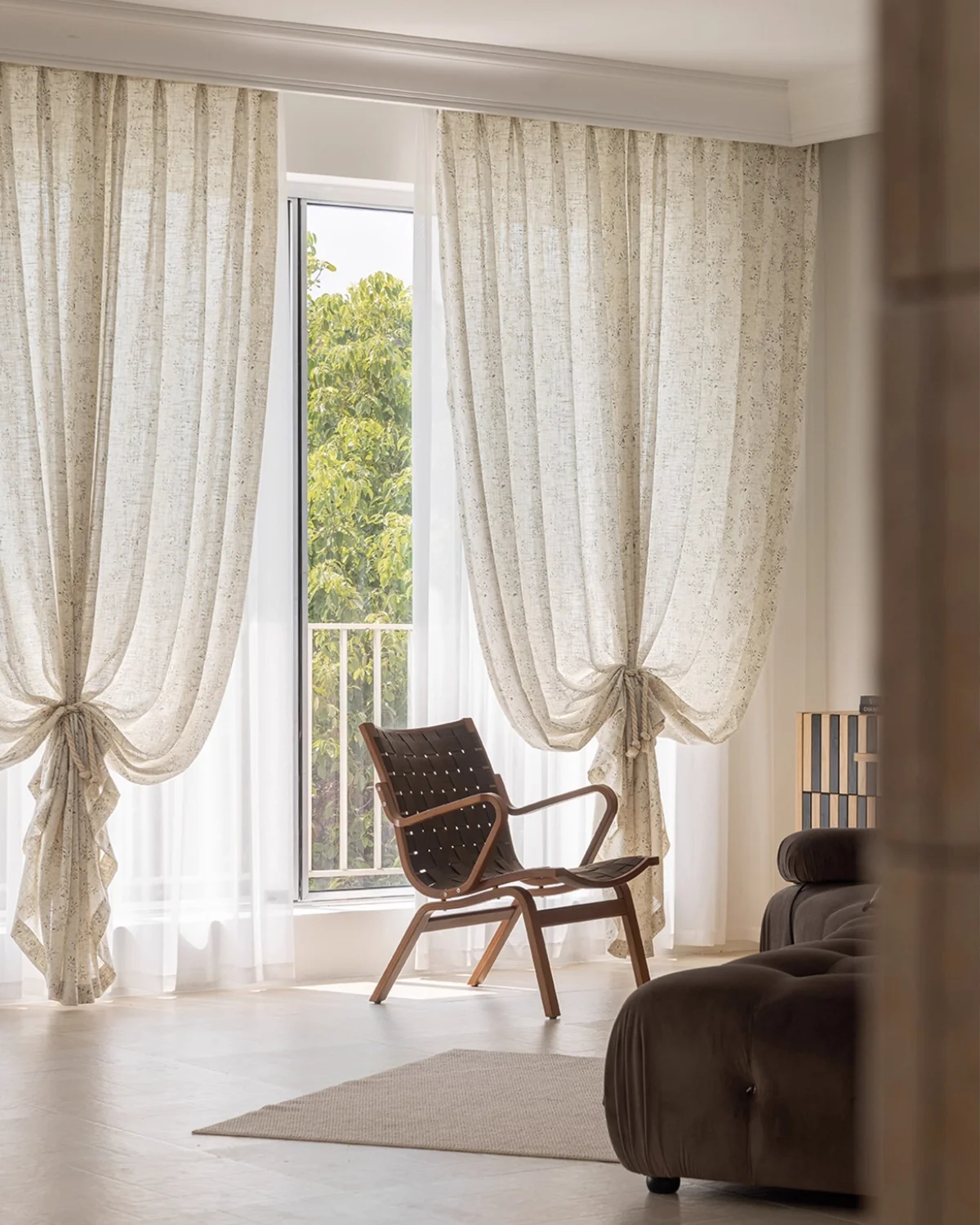
Modern curtain styles can make a big difference in how bedrooms and living rooms look and feel. In modern homes, curtains do more than provide privacy and light control. They also affect how clean, calm, and finished a room feels. The right curtain style can soften a space, frame the window well, and make the whole room feel more balanced.
When choosing curtains for a modern room, it helps to think beyond colour alone. Drape, heading style, texture, and fullness all influence the final look. In many cases, the best modern curtain styles are the ones that feel soft, simple, and visually clean.
Best Curtain Styles for Modern Bedrooms
Modern bedrooms usually look best with curtain styles that feel calm and understated. Because bedrooms are spaces for rest, the curtains should help create a softer and quieter atmosphere. Blackout curtains are often a practical choice because they improve privacy and reduce outside light.
Wave fold curtains are a strong option for modern bedrooms. Their clean lines and smooth drape create a more uncluttered look. Soft textured fabrics in neutral tones also work well because they add warmth without making the room feel busy.
In bedrooms, a curtain that hangs neatly and falls with gentle softness usually feels more modern than one with too much visible structure or decoration.
Best Curtain Styles for Modern Living Rooms
Modern living rooms usually benefit from curtain styles that feel light, soft, and relaxed. The room should still feel open, so curtains that are too stiff or visually heavy can make the space feel more closed in than intended.
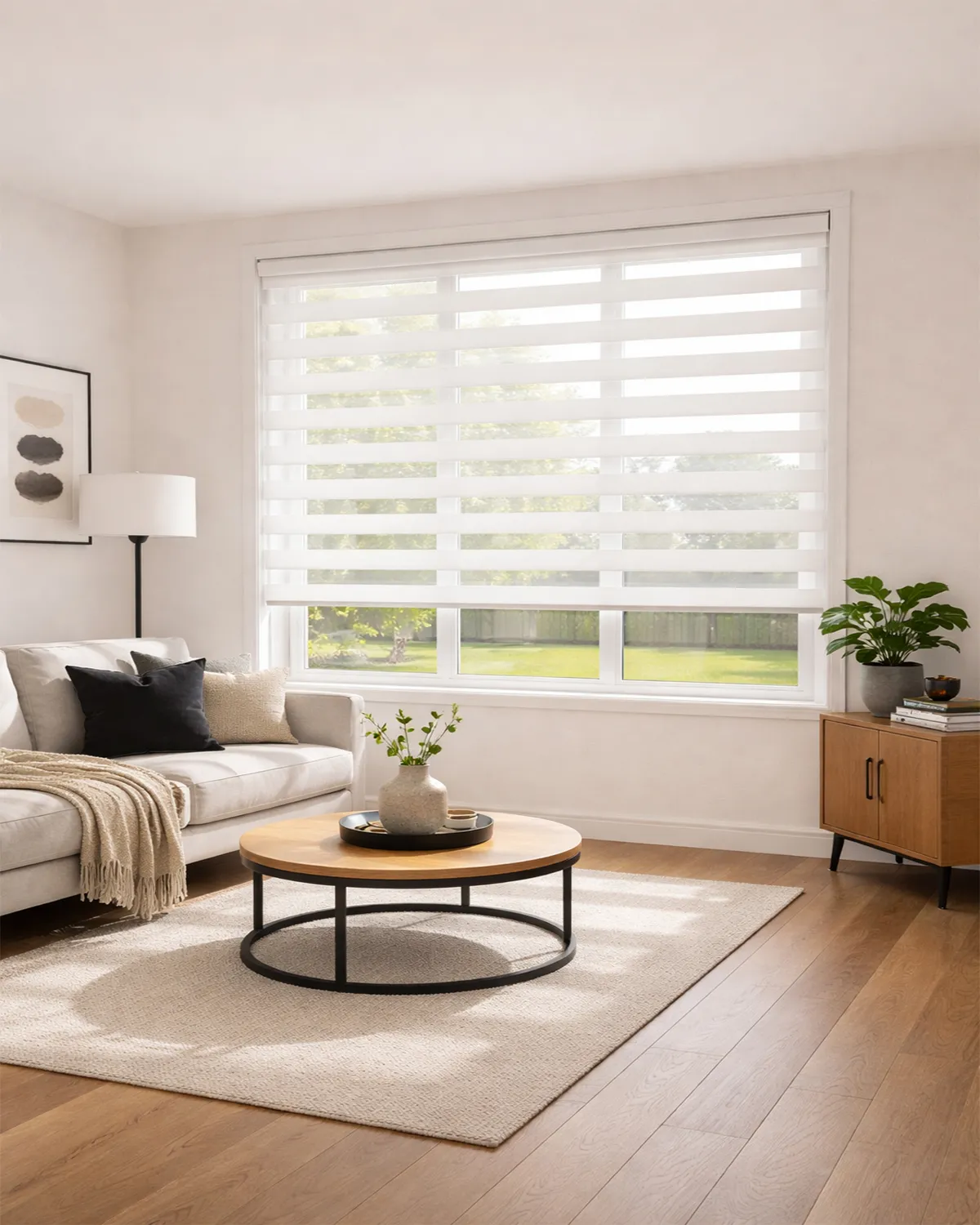
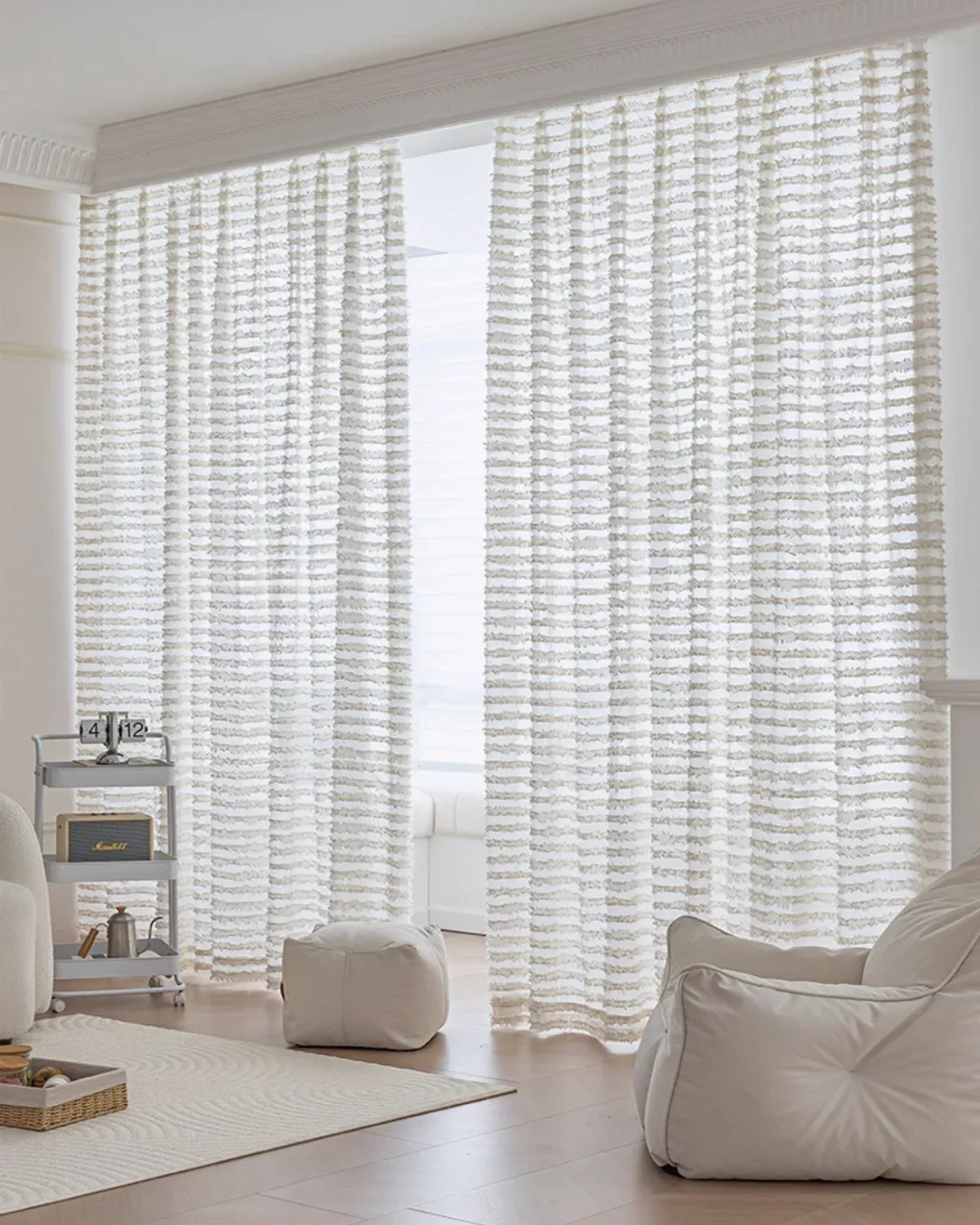
This is why many modern living rooms work well with wave fold curtains, light-filtering fabrics, or layered combinations of sheers and main curtains. Sheer curtains are especially useful when the goal is to soften daylight without losing brightness.
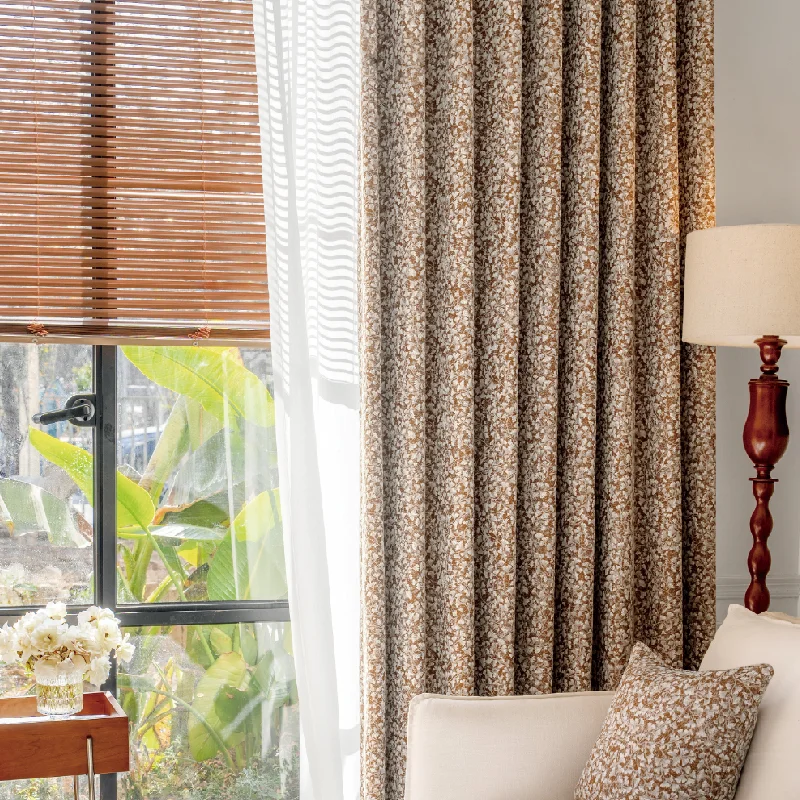
If more privacy or a fuller decorative finish is needed, sheers can also be paired with a heavier outer curtain. In modern living spaces, curtains should usually support the room rather than dominate it.
How Colour, Drape, and Heading Style Work Together
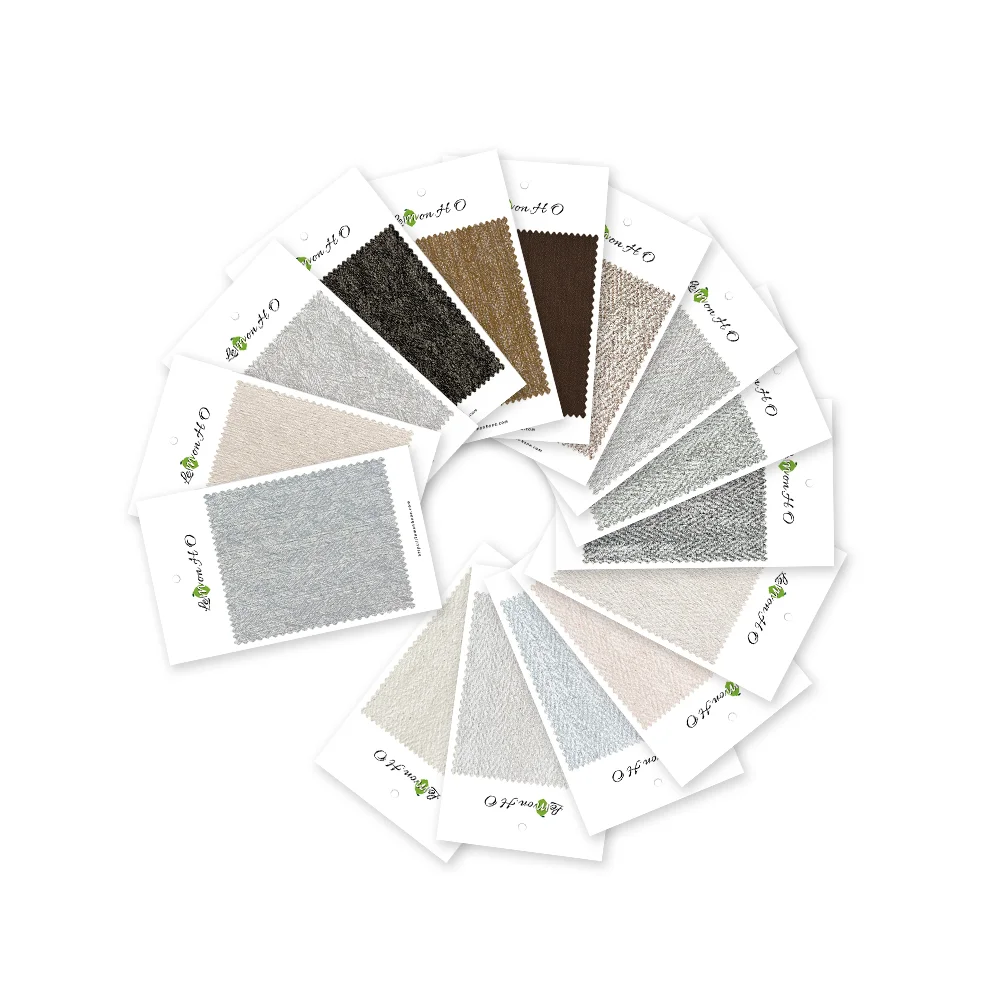
Colour has a strong effect on how modern curtains feel. Neutral tones such as white, ivory, beige, soft grey, and warm taupe are especially popular because they help rooms feel brighter and calmer. They also work easily with different furniture styles and wall colours.
Drape matters just as much as colour. A curtain that falls softly usually feels more elegant and natural. Curtains that are too flat can feel unfinished, while curtains with a balanced drape make the room feel more complete.
Heading style also changes the final effect. Wave fold headings often suit modern interiors because of their clean and flowing lines. More structured pleated styles may work better in rooms that lean slightly more classic.
How to Make the Space Feel More Clean and Finished
If you want a bedroom or living room to feel more clean and finished, the best curtain choice is often the one that looks intentional without trying too hard. Curtains should usually be wide enough to feel generous, long enough to create a neat line, and soft enough to support the room naturally.
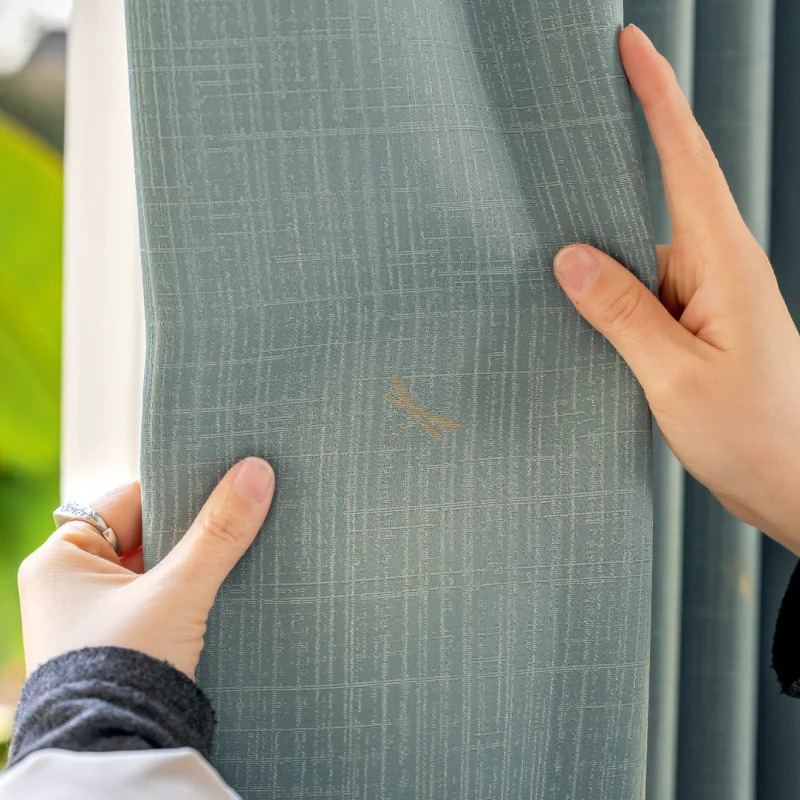
Fabrics with subtle texture often work better than overly shiny or busy materials, especially in modern interiors. It also helps to keep the overall look consistent. If the room is simple and minimal, choose curtains that feel soft and understated.
If the room has more warmth and texture, a fuller fabric or layered look may feel more natural. The goal is not to make the curtains stand out too aggressively. The goal is to help the room feel calm, polished, and complete.
In the end, the best curtain styles for modern bedrooms and living rooms are usually the ones that combine soft drape, simple colours, and a clean heading style. If you want to explore more options for custom curtains, visit Lemonhone to browse styles designed for modern bedrooms, living rooms, and everyday spaces.