

How to Choose the Right Curtain Fabric for Your Space
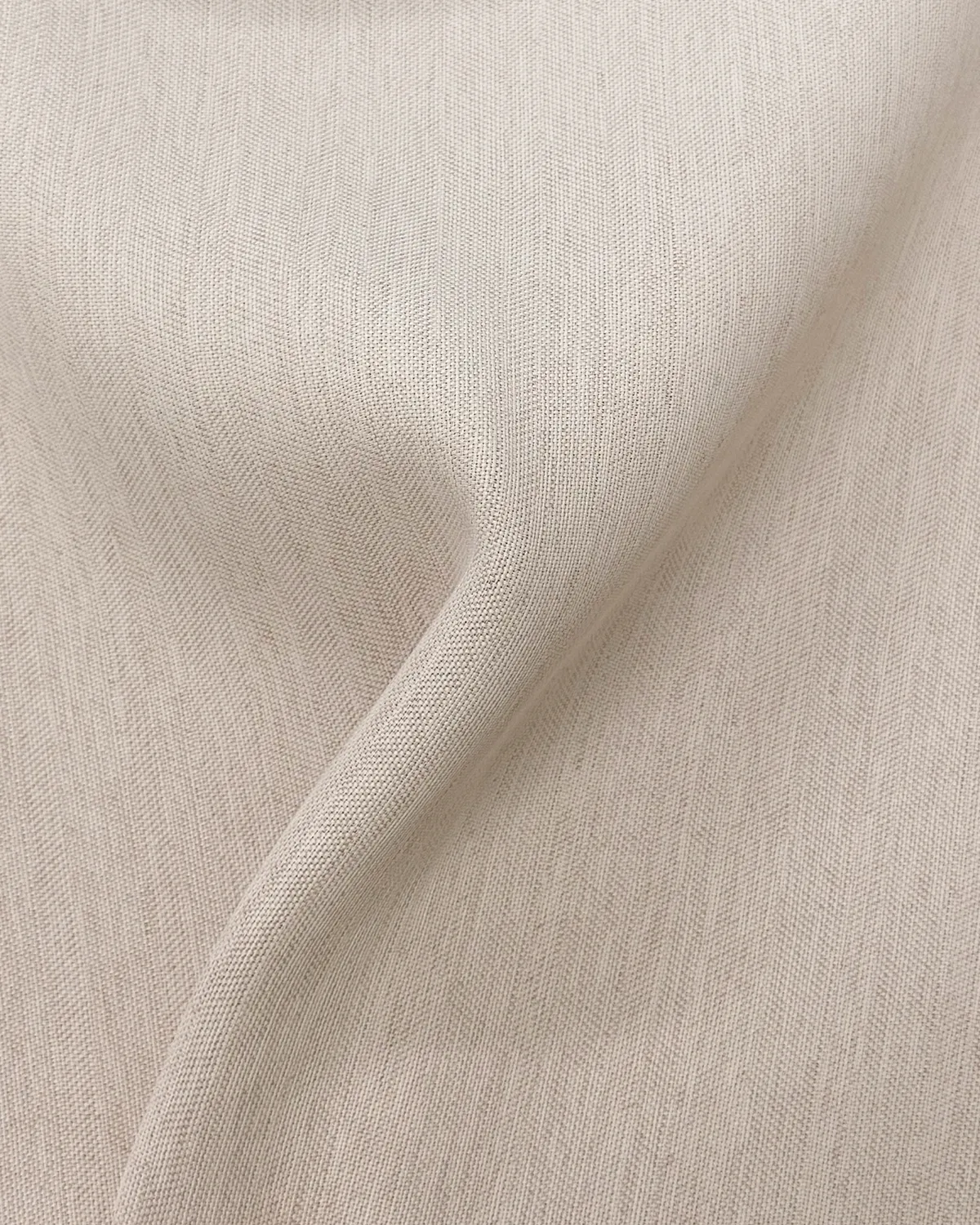
Choosing curtain fabric is about more than colour alone. The fabric you choose affects how the curtains hang, how much light they block or filter, how soft or structured they feel, and how the whole room looks once everything is installed. Even when two curtains have a similar colour, the final effect can feel very different because the fabric changes the drape, weight, texture, and overall mood of the space.
This is why fabric choice is one of the most important parts of ordering curtains. The right fabric can make a room feel softer, calmer, brighter, or more refined. The wrong one can make a space feel too heavy, too flat, or not practical enough for daily use. Instead of choosing based on appearance alone, it helps to think about how the room is used and what the curtains need to do.
What Curtain Fabric Affects
Curtain fabric affects several things at the same time. First, it changes the drape. Some fabrics fall softly and naturally, while others feel more structured and firm. Second, it affects light control. A lighter fabric may gently soften daylight, while a denser or lined fabric usually gives more privacy and stronger shading. Third, fabric changes the style of the room. A smooth fabric may feel cleaner and more tailored, while a textured fabric often feels warmer, softer, and more relaxed.
Fabric also affects how practical the curtains are. In some spaces, the goal is to reduce harsh light and improve privacy. In others, the goal is simply to soften the room while keeping it bright and open. That is why the “best” curtain fabric is not always the same for every room.
How to Choose Fabric for a Bedroom
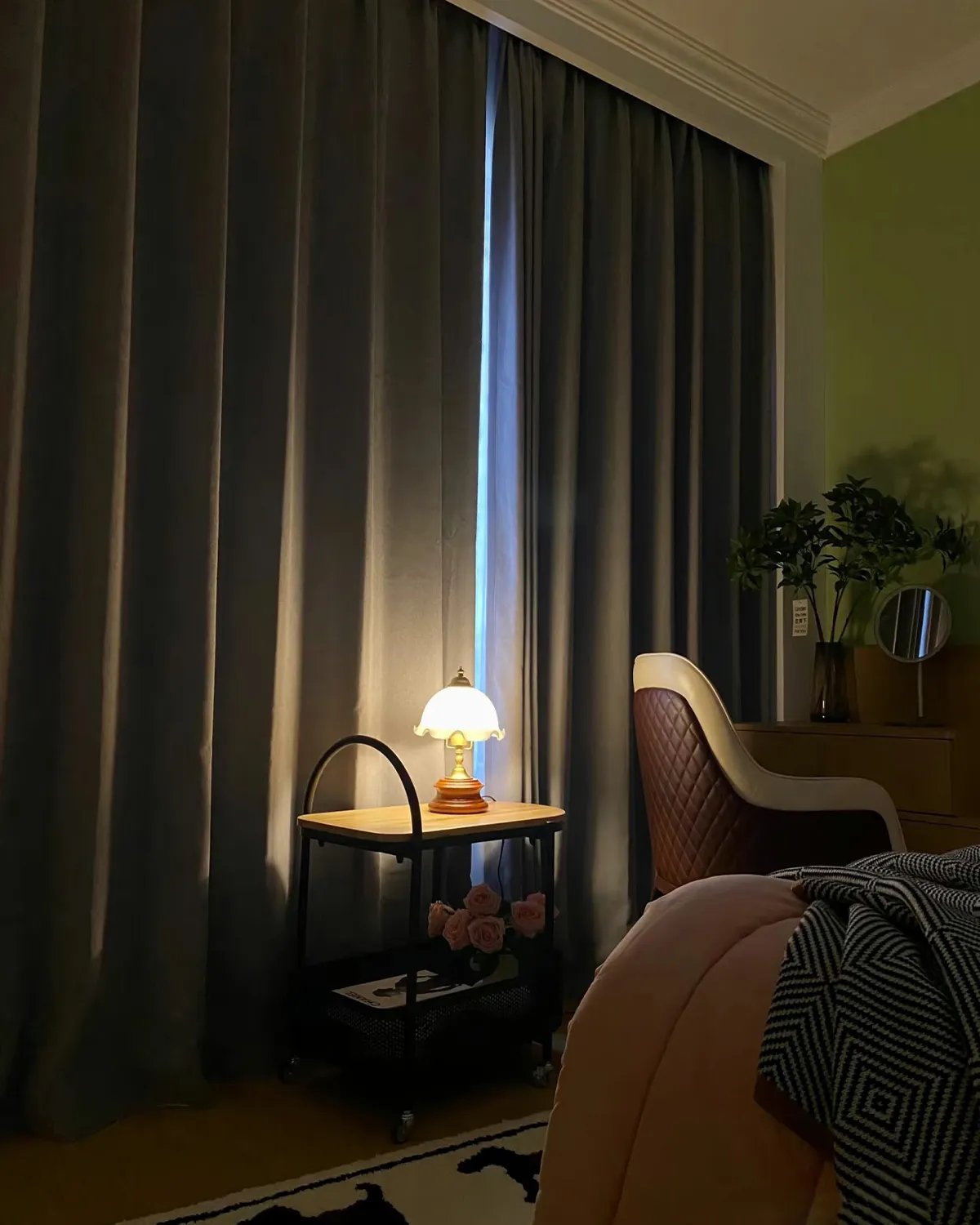
Bedrooms usually need more privacy and better light control than other parts of the home. This is why heavier fabrics or blackout curtain fabrics are often the more practical choice. If the room receives strong morning sun, a fabric with better light-blocking performance can help create a darker and more restful environment. This is especially useful for people who want better sleep or more comfort in the early morning.
For bedrooms, fabric should also feel soft and calming. Many homeowners prefer fabrics with a smooth or gently textured surface in neutral tones because they make the room feel more relaxed. A bedroom curtain does not only need to perform well. It should also support a restful atmosphere.
How to Choose Fabric for a Living Room
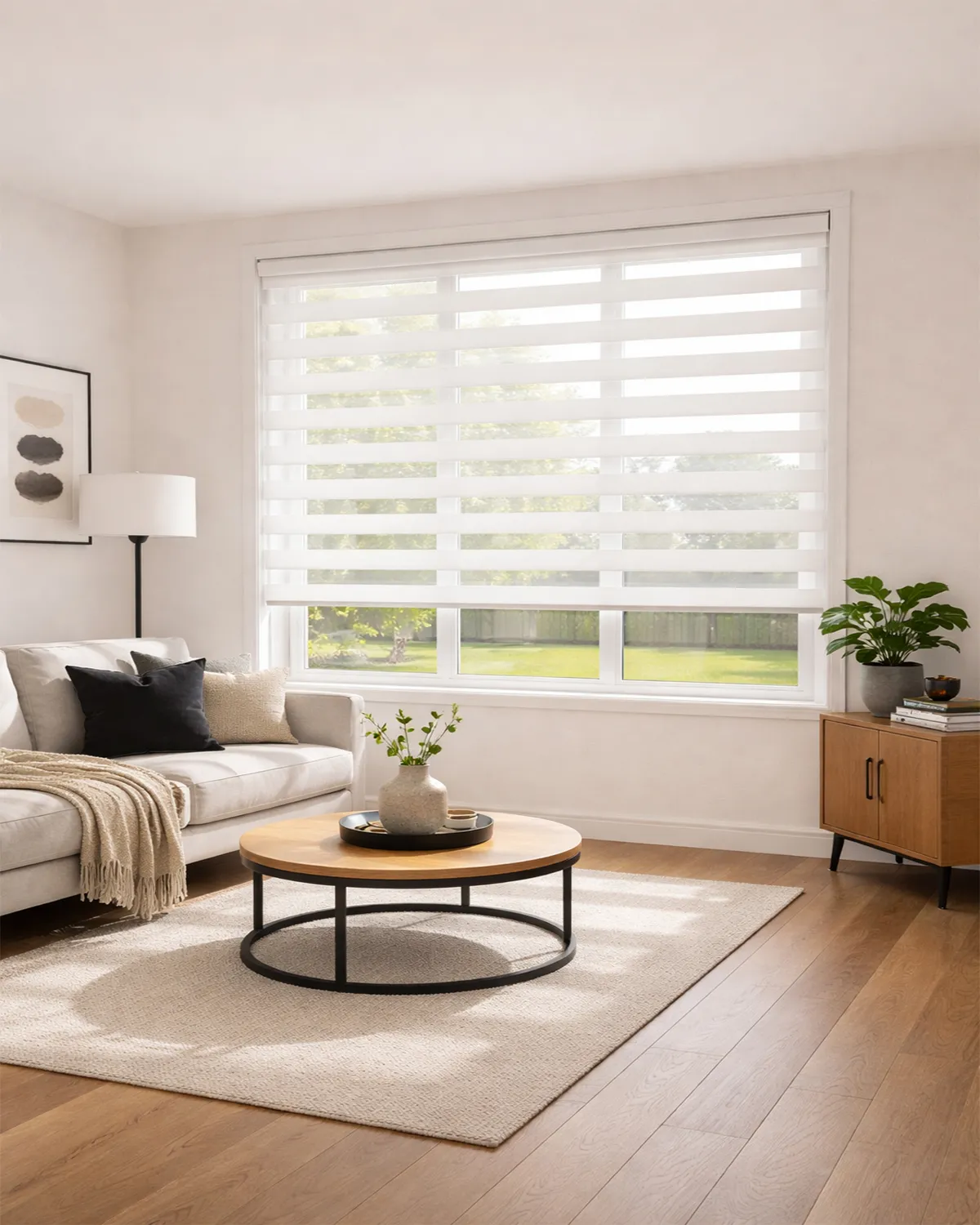
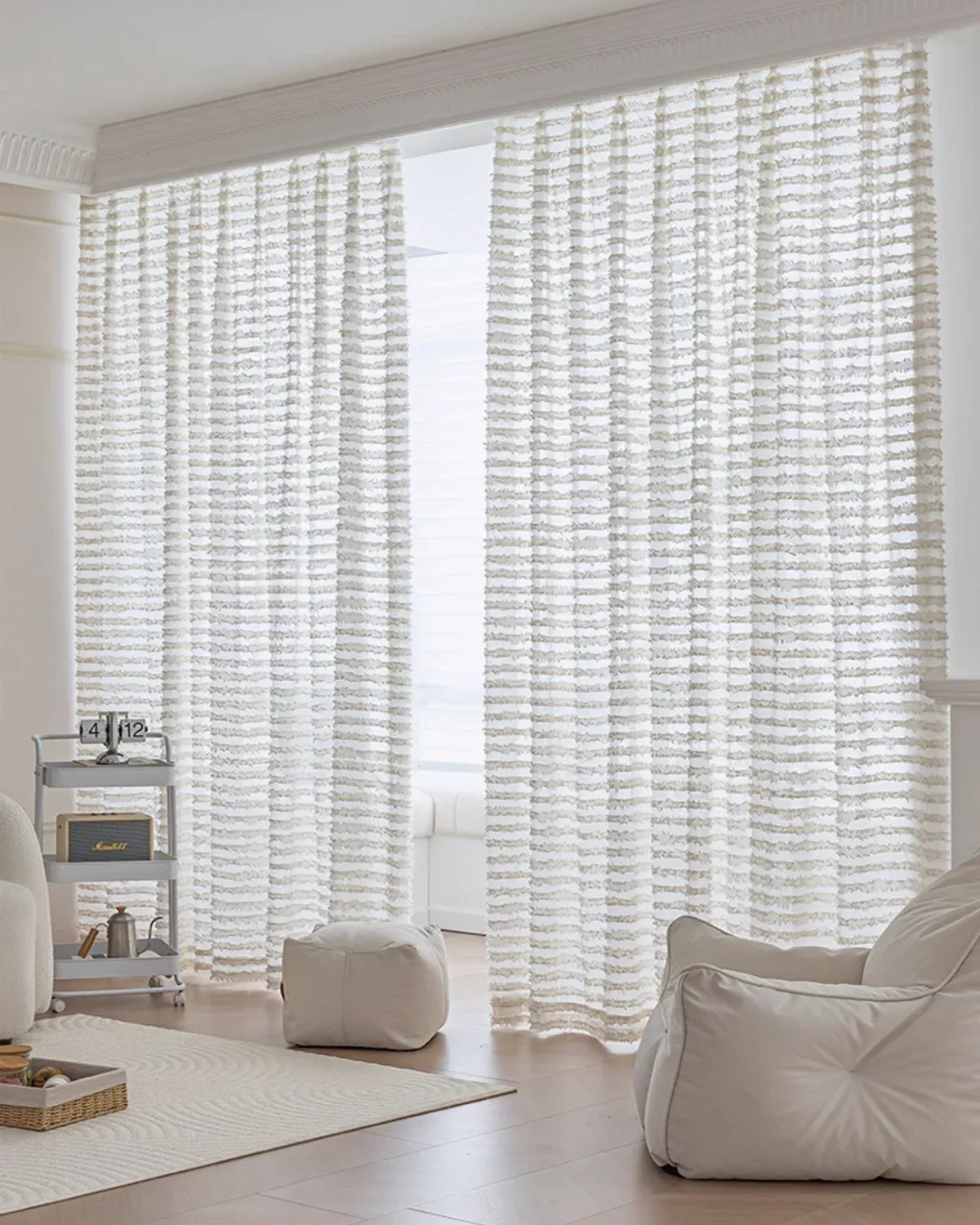
Living rooms usually need a different balance. In many homes, the goal is not complete darkness but softer daylight, a cleaner finish, and a fabric that makes the room feel welcoming. This is why light-filtering fabrics, textured weaves, and layered curtain solutions often work well in living rooms. They keep the space feeling bright while still offering some softness and privacy.
Because living rooms are often more visible and used more often, the curtain fabric also plays a stronger decorative role. A soft textured fabric can make the space feel warmer and more refined. A lighter fabric can help the room feel airy and open. If the room already has many visual elements, a simpler curtain fabric may be the better choice. If the room feels plain, a richer texture can help add depth without needing strong pattern.
How to Think About Texture, Weight, and Light Control
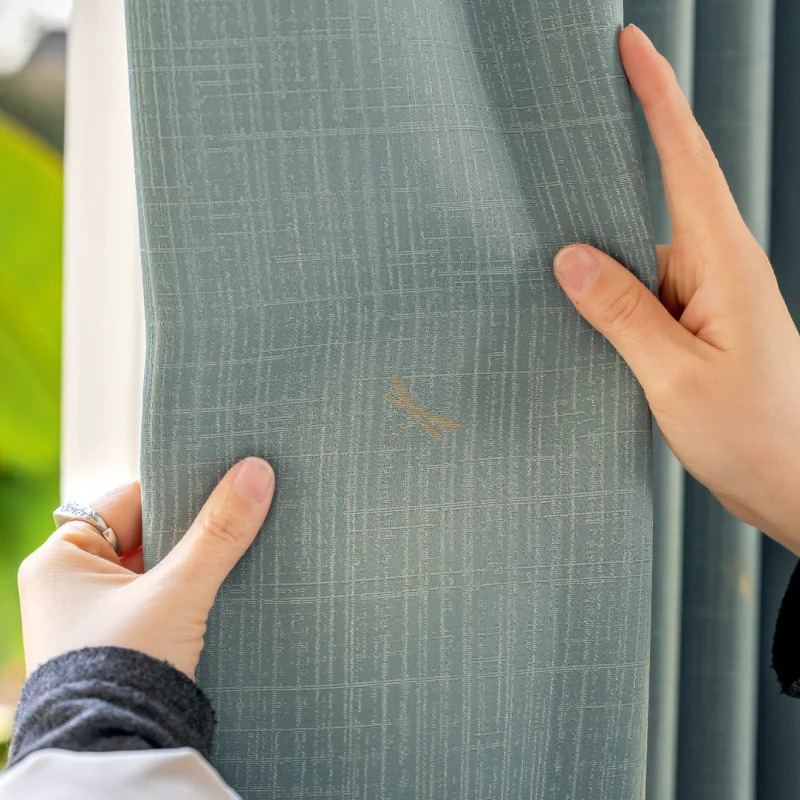
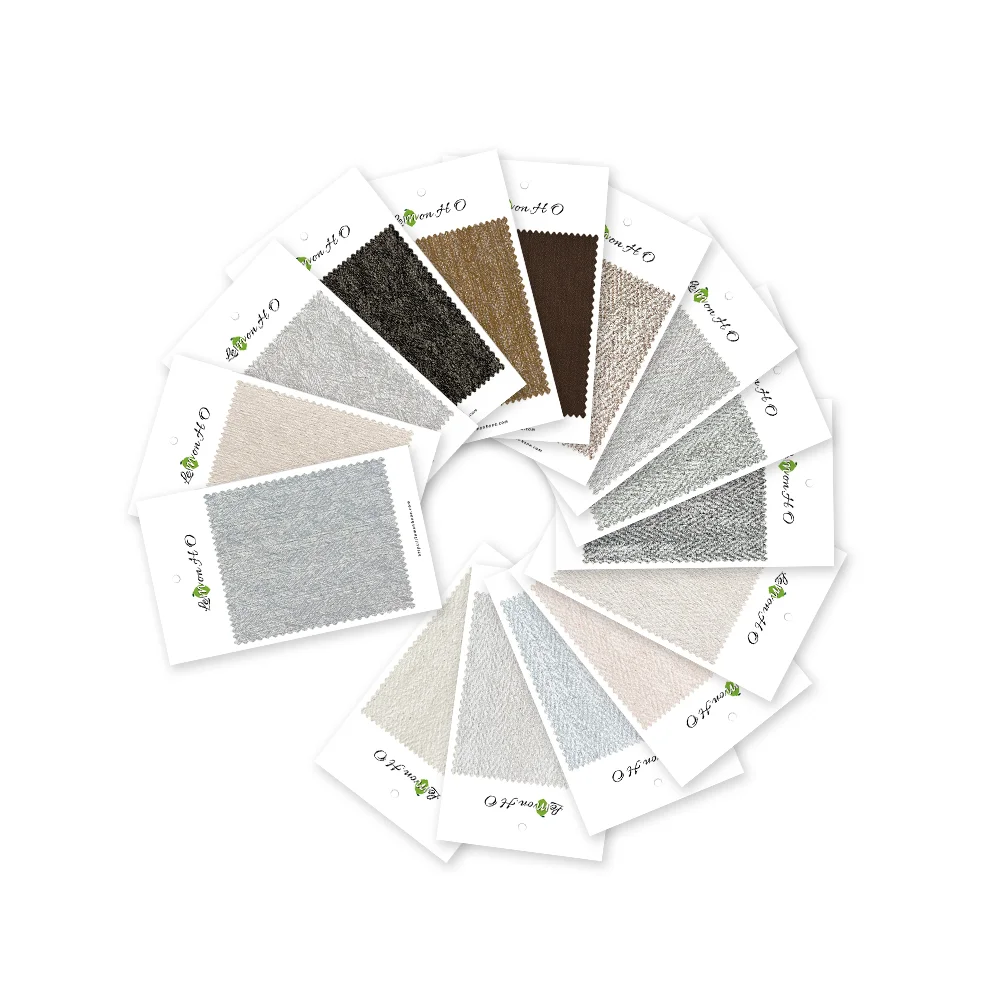
Texture is important because it affects how warm or clean the curtains feel in the room. Textured fabrics often create a softer, more natural look, which works especially well in calm, modern interiors. Smoother fabrics can feel more polished and tailored, which may suit cleaner and more formal spaces.
Weight matters because it influences both drape and performance. A heavier fabric usually creates a fuller and more substantial curtain look, while a lighter fabric feels softer and more open. Heavier fabrics are often more suitable when privacy and shading matter more. Lighter fabrics are usually better when the goal is to let in more natural light while softening the space.
Light control should always match the function of the room. If you need stronger privacy and better darkness, especially in bedrooms, a heavier or blackout fabric is often the better option. If you want to soften daylight while keeping the room bright, a lighter or sheer-related fabric direction may be more suitable. In many homes, the best result comes from thinking about fabric not only as decoration, but as part of how the room works every day.
In the end, the right curtain fabric depends on the room, the mood you want, and how much privacy or light control you need. Bedrooms often benefit from softer but more protective fabrics, while living rooms usually work best with a balance of texture, openness, and daylight control. If you want to explore more options for custom curtains, visit Lemonhone to browse styles designed for bedrooms, living rooms, and modern everyday spaces.