





How Much Do Custom Curtains Cost?
When choosing made-to-measure curtains, one of the first questions customers ask is: how much do custom curtains cost?
The answer depends on more than just the fabric price per metre. Custom curtains are priced based on several factors, including curtain width, height, fabric type, fullness, heading style, tracks, processing and delivery.
Understanding these factors can help you compare curtain quotes more clearly and avoid looking only at the lowest price.
1. Curtain Width Is the Starting Point
Custom curtain pricing usually starts with the width that needs to be covered. This may be the track width, wall-to-wall width or installation width, depending on the curtain style.
A wider curtain area usually needs more fabric. For example, a 3-metre track does not always mean only 3 metres of fabric are used. Extra fabric is often needed to create folds, fullness and a softer finished look.
This is why accurate width is important when requesting a curtain quote.
2. Curtain Height Also Affects the Cost
Curtain height affects fabric usage and production cost. A full-height curtain from ceiling to floor usually uses more fabric than a short curtain.
For some fabric types, height may also affect how the curtain is cut, joined or finished. Taller curtains may need more careful processing so they hang neatly.
When requesting a quote, it is helpful to provide the finished curtain height, not only the window height.
3. Fabric Type Makes a Big Difference
Fabric is one of the biggest factors that affects custom curtains cost.
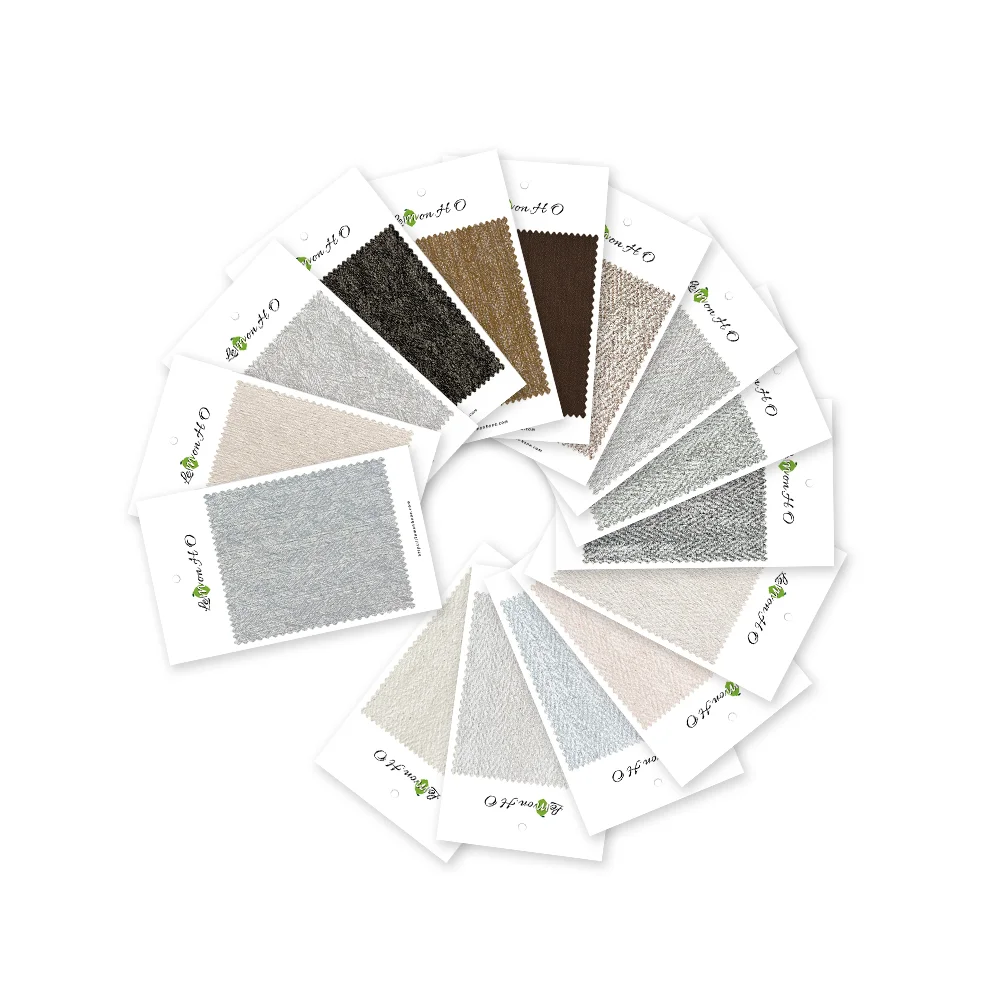
Different curtain fabrics have different prices, weights, textures and functions. For example:
- Sheer curtains usually create soft light and privacy
- Blackout curtains provide stronger light control
- Linen-look fabrics offer a natural textured finish
- Textured or heavy woven fabrics may cost more
- Non-coated blackout fabrics may feel softer and drape more naturally
Two curtains with the same size may have different prices if the fabric type is different.
4. Fullness Affects Fabric Usage
Curtain fullness means how much extra fabric is used compared with the track or installation width.
For example, 2x fullness means the curtain uses about twice the track width in fabric before finishing. 2.2x fullness uses slightly more fabric and usually creates a fuller, softer look.
More fullness means more fabric, which can increase the final cost. However, it also affects how the curtain looks when closed.
This is why custom curtains should not be calculated only by the visible window width.
5. Heading Style Can Change the Price
The curtain heading style can also affect the price.
Common heading styles include pinch pleat, eyelet, rod pocket and S-Curve / wave fold curtains. Each style uses fabric differently and may require different processing or hardware.
S-Curve curtains, for example, usually need extra fabric to create smooth wave folds along the track. They may also need compatible tracks, hooks or carriers.
6. Tracks and Accessories May Be Included or Separate
When comparing curtain prices, always check whether tracks and accessories are included.
Some quotes include curtain panels only. Others may include curtain tracks, hooks, carriers or other hardware.
For complete S-Curve curtain orders, Lemonho can provide matching aluminium manual tracks free of charge together with the curtain panels.
Before comparing quotes, check whether the price includes curtain panels, tracks, accessories, processing and delivery.
7. Processing and Delivery Also Affect the Final Price
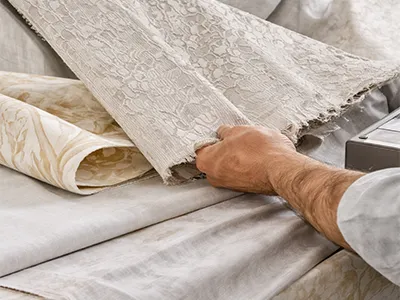
Custom curtains are not just pieces of fabric. They need measuring checks, cutting, sewing, heading preparation, finishing, quality checking, packing and delivery.
Large curtains, especially blackout curtains, can be heavy and bulky. This means packing and shipping may also affect the final cost.
For factory-direct custom curtains, delivery may already be included in some quotes, while other suppliers may charge separately.
Why Price per Metre Can Be Misleading
Many customers compare curtains by fabric price per metre, but this can be misleading.
The final curtain cost depends on the complete curtain system, not just the fabric. A quote with a lower fabric price may not include enough fullness, tracks, accessories, processing or delivery.
To compare custom curtains properly, it is better to check what is included in the full quote.
What Information Do You Need for a Quote?
To get a more accurate custom curtain quote, it is helpful to provide:
- Track width or installation width
- Finished curtain height
- Preferred fabric type
- Curtain style or heading style
- Room type
- Whether you need tracks included
- Any reference image or colour preference
If you are not sure how to measure, you can send a room photo or basic window size first. We can help guide you before production.
Final Thoughts
Custom curtains cost can vary because every project is different. Width, height, fabric type, fullness, heading style, tracks, processing and delivery can all affect the final price.
When comparing custom curtain quotes, do not look only at the fabric price per metre. A better comparison is the full curtain solution, including fabric, making, hardware and delivery.
If you are planning made-to-measure curtains, send us your track width, finished curtain height and preferred fabric style. We can help recommend a suitable option for your home, designer project or trade order.
Explore Lemonho custom curtains:
Custom Curtains Australia | Made to Measure | Factory Direct
Measurement guide:
Measurement Instructions | Lemonho
Read also:
Curtain Fullness Explained
FAQ
Why do custom curtains cost more than ready-made curtains?
Custom curtains are made to fit your specific window or track size. The price may include fabric, fullness, heading style, cutting, sewing, finishing, tracks, packing and delivery.
What affects custom curtains cost the most?
The main factors are curtain width, curtain height, fabric type, fullness, heading style, tracks, processing and delivery.
Is fabric price per metre enough to compare curtain quotes?
No. Fabric price per metre is only one part of the total cost. The final price also depends on fabric usage, fullness, hardware, processing and delivery.