
Coated vs Non-Coated Blackout Curtains: What’s the Difference?
When choosing blackout curtains, many customers compare colour, size, price, and blackout level first. But one important detail is often overlooked:
Is the blackout fabric coated or non-coated?
This guide explains coated vs non-coated blackout curtains in a simple way, so you can understand the difference before choosing fabric for your bedroom, living room, or custom curtain project.
Both types can help reduce light and improve privacy, but they are made differently and feel different in real use.
Coated vs Non-Coated Blackout Curtains: Key Differences
When comparing coated vs non-coated blackout curtains, the biggest difference is usually the fabric backing. Coated blackout curtains have a coating layer added to the back of the fabric. This backing helps block light and is often black, white, or grey.
Coated blackout fabric is commonly used because it is practical and cost-effective. It can work well for simple blackout needs, rental homes, commercial spaces, or budget-focused projects.
However, coated fabric may feel firmer or less soft than woven blackout fabric. The back side also usually looks different from the front because of the coating layer.
In simple terms:
Coated blackout fabric = fabric front + visible backing layer on the reverse side.
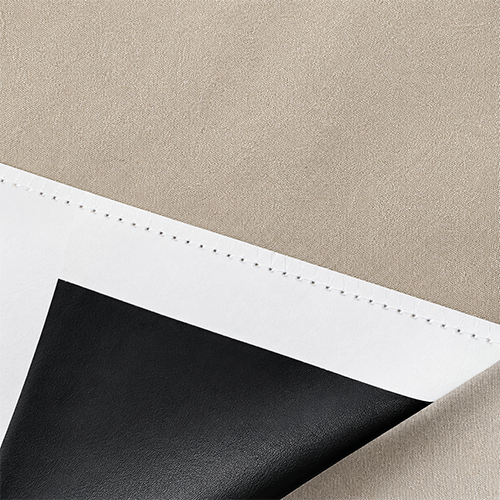
Coated blackout fabric
black backing layer on the reverse side
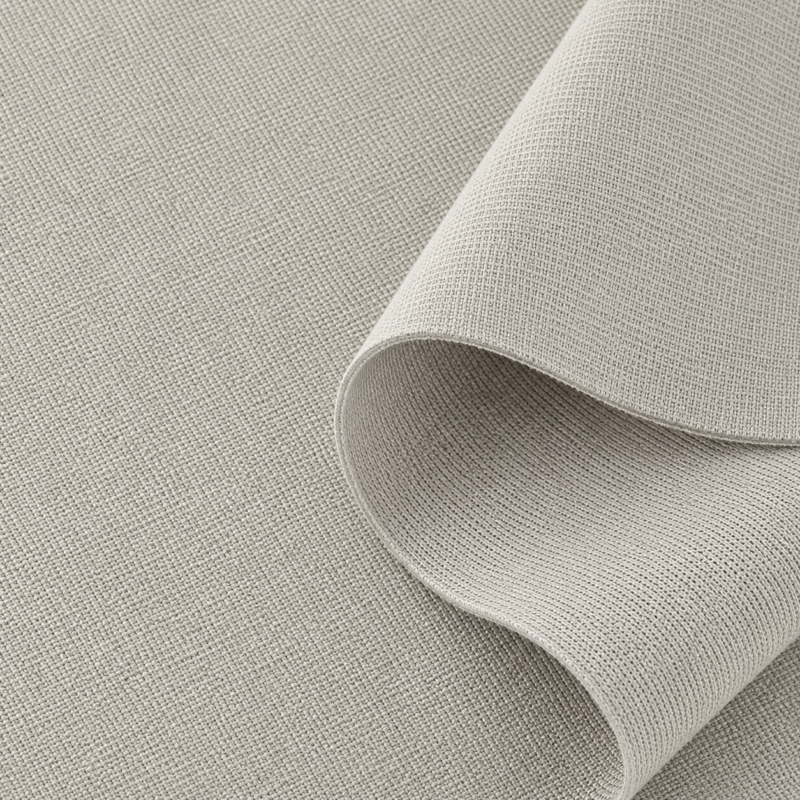
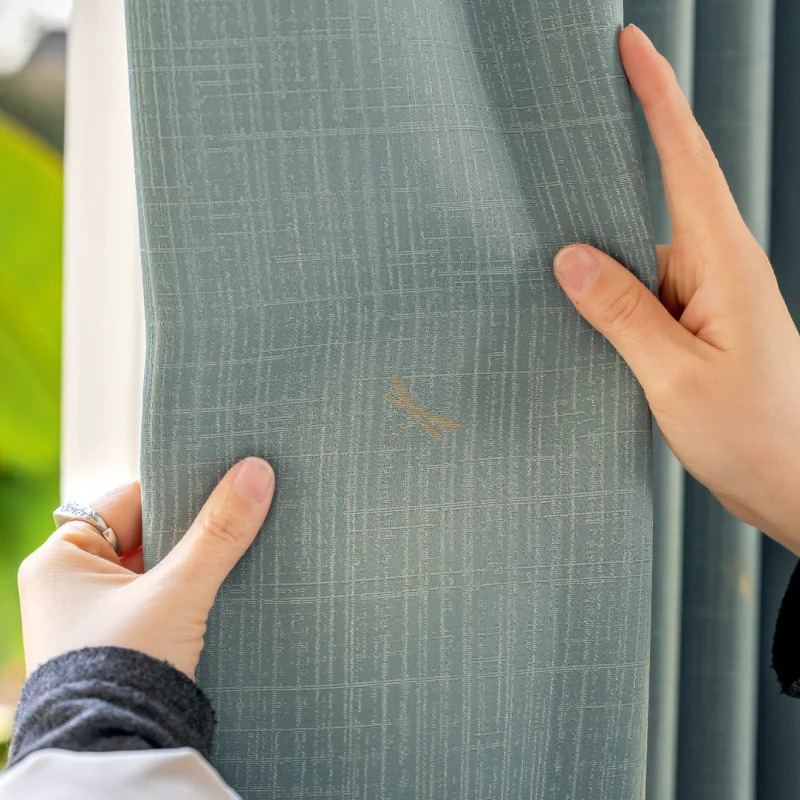
Non-coated blackout fabric
textile-like finish on both sides
What Are Non-Coated Blackout Curtains?
Non-coated blackout curtains do not rely on a heavy backing layer. Instead, the blackout effect usually comes from the fabric structure, yarn density, and weaving method.
This type of fabric often looks and feels more like a real decorative curtain fabric. Both the front and reverse sides can have a textile-like finish, without a visible black coating on the back.
At Lemonho, we offer non-coated blackout fabric options for customers who prefer a softer hand feel, better drape, and a more natural curtain appearance.
In simple terms:
Non-coated blackout fabric = blackout performance from the fabric itself, without an obvious coating layer.
Which One Feels Better?
It depends on what you need.
Coated blackout curtains are practical and can be a good choice when the main goal is simple light blocking at a lower cost.
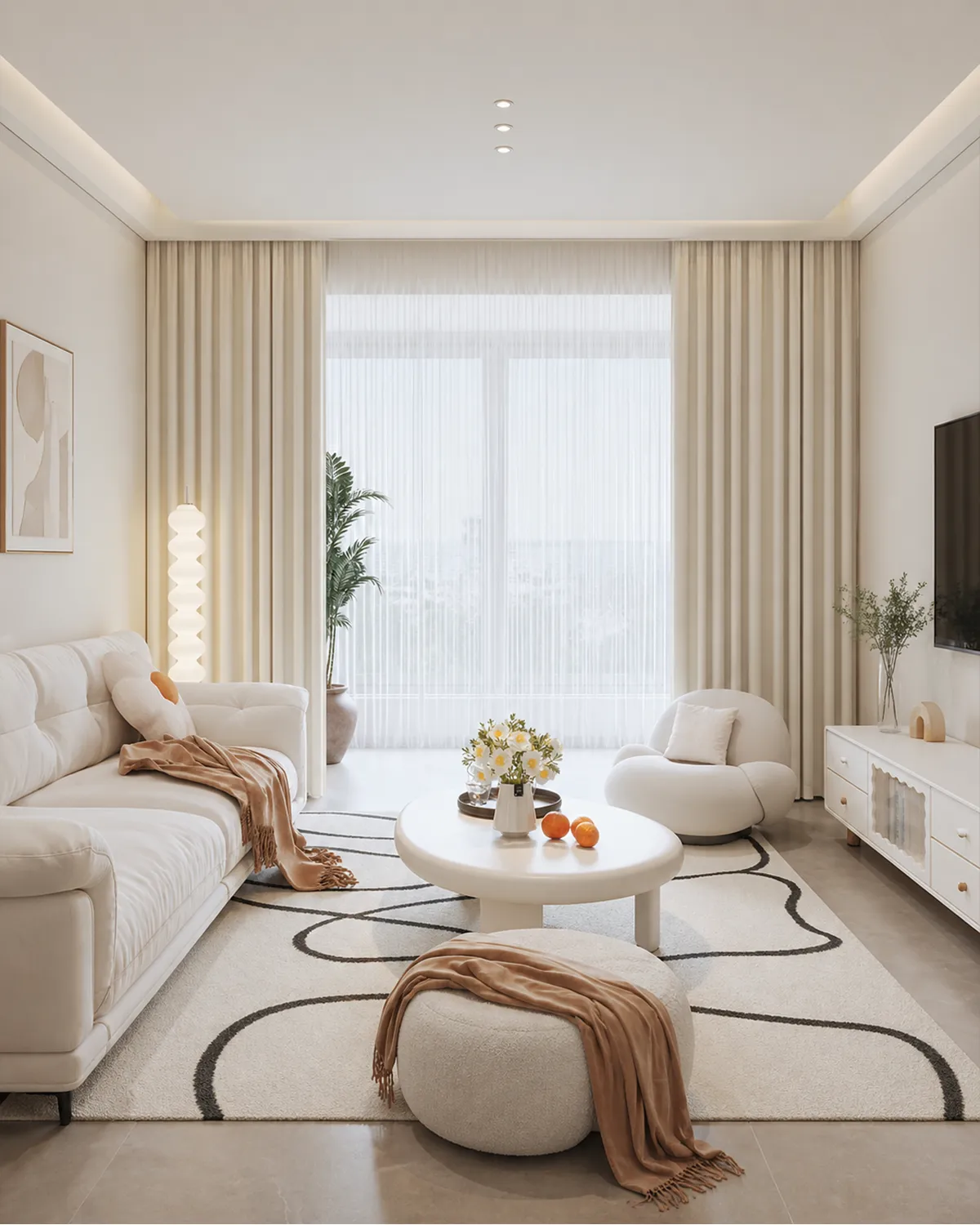
Non-coated blackout curtains are usually better when you care about softness, drape, and appearance. They are especially suitable for bedrooms, living rooms, and S-curve / wave fold curtains, where the fabric needs to hang smoothly and create natural folds.
For S-curve curtains, fabric softness matters. If the fabric is too stiff, the waves may not look as clean or elegant.
Does Non-Coated Mean Better Blackout?
Not always. Blackout performance depends on more than just whether the fabric is coated.
It can also be affected by fabric density, colour, curtain fullness, track position, and side gaps around the window.
So when choosing blackout curtains, it is better to look at the full curtain system, not just the fabric backing.
Which One Should You Choose?
Choose coated blackout curtains if you want a practical, budget-friendly option for basic light control.
Choose non-coated blackout curtains if you want a softer fabric feel, better drape, a more natural finish, and a more refined look for your room.
For many custom curtain projects, especially S-curve blackout curtains, non-coated blackout fabric can offer a better balance of light control, softness, and appearance.
Final Thoughts
Coated and non-coated blackout curtains both have their place. The best choice depends on your room, budget, curtain style, and the finish you prefer.
If you want blackout curtains with a softer touch and a more elegant fabric look, non-coated blackout fabric is worth considering.
Explore Lemonho custom curtains:
https://lemonhone.com/custom-curtains-au/
View blackout curtain options:
https://lemonhone.com/product-category/window-coverings/blackout-curtains/
FAQ
Not always. Non-coated blackout curtains usually feel softer and drape more naturally, while coated blackout curtains can be practical and cost-effective.
Yes. Non-coated blackout fabrics are often suitable for S-curve or wave fold curtains because they usually create softer and smoother folds.