





How Designers Work With a Custom Curtain Manufacturer
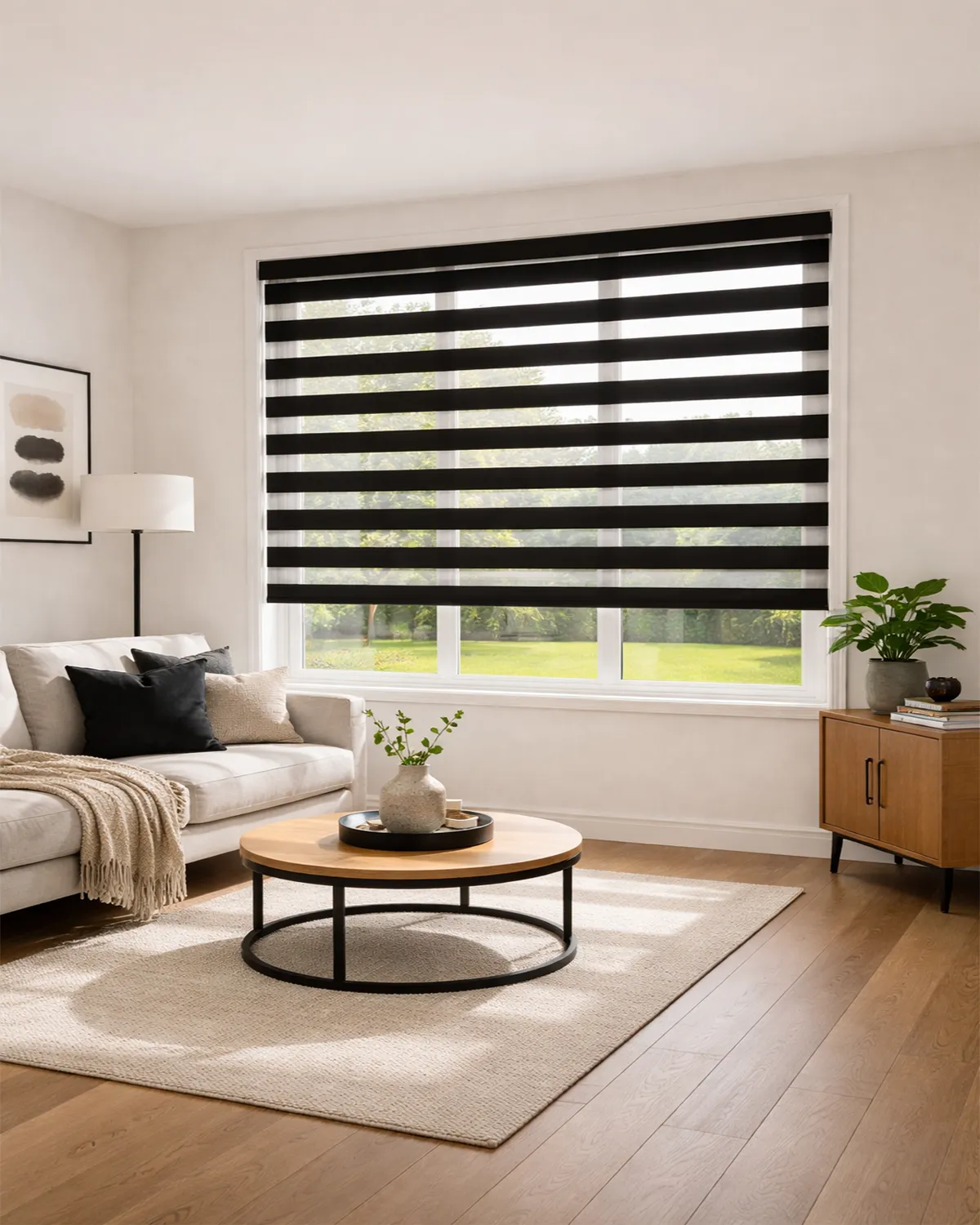
Designers working on residential, soft furnishing, or commercial projects often need more than just the right curtain product. They also need a supplier who can understand project requirements, support custom production, and coordinate details more effectively throughout the process.
Understanding how designers work with a custom curtain manufacturer can help buyers better evaluate suitable trade and designer partnerships and the practical sourcing advantages of factory direct custom curtains.
1. Confirming Design Direction and Project Needs
The first step in working together is usually confirming the design direction and project requirements. This may include the intended use of the space, curtain style, light control needs, fabric preferences, budget range, and project timeline. The clearer the communication is at this stage, the smoother the customization and project execution will usually be.
2. Selecting Fabrics and Custom Options
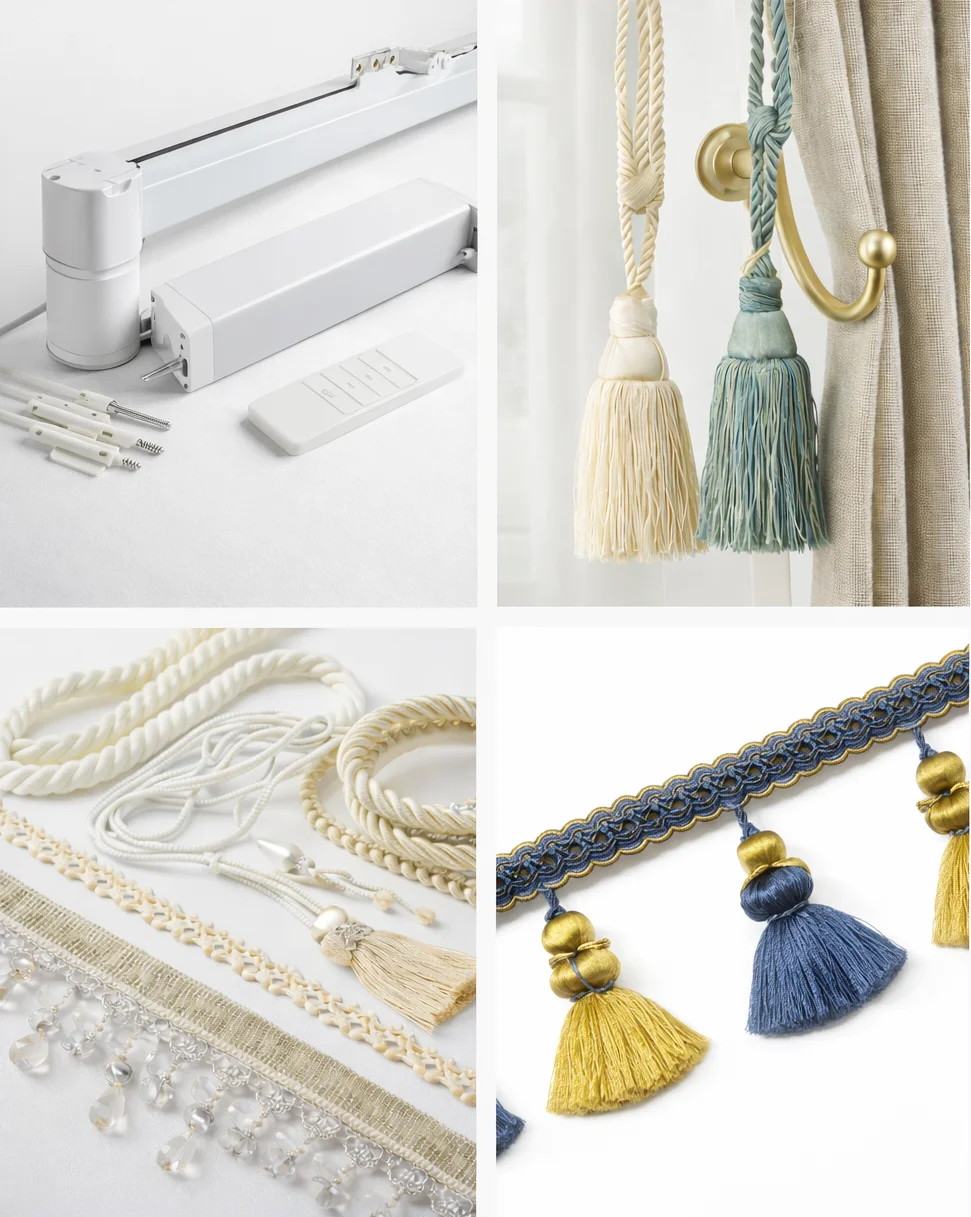
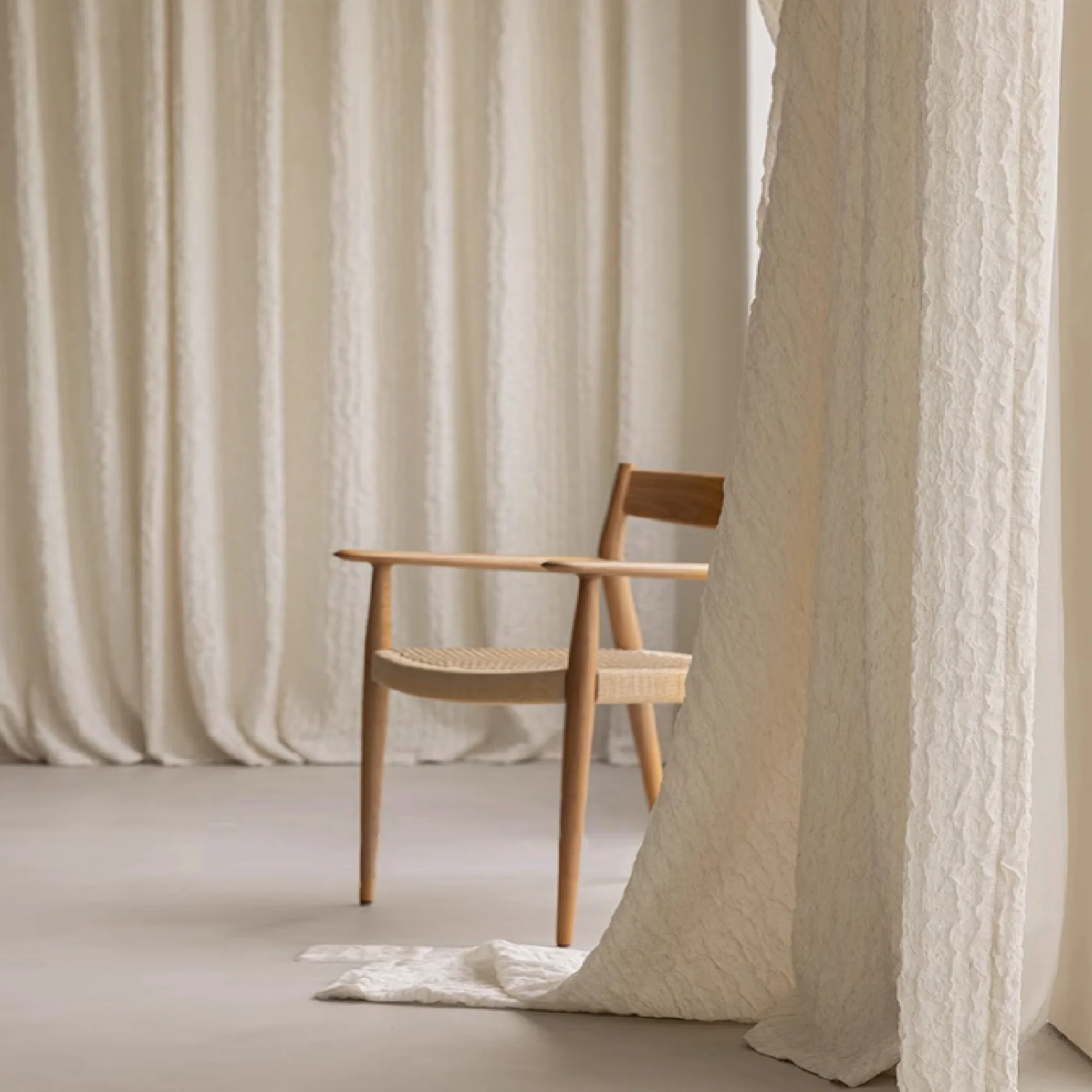
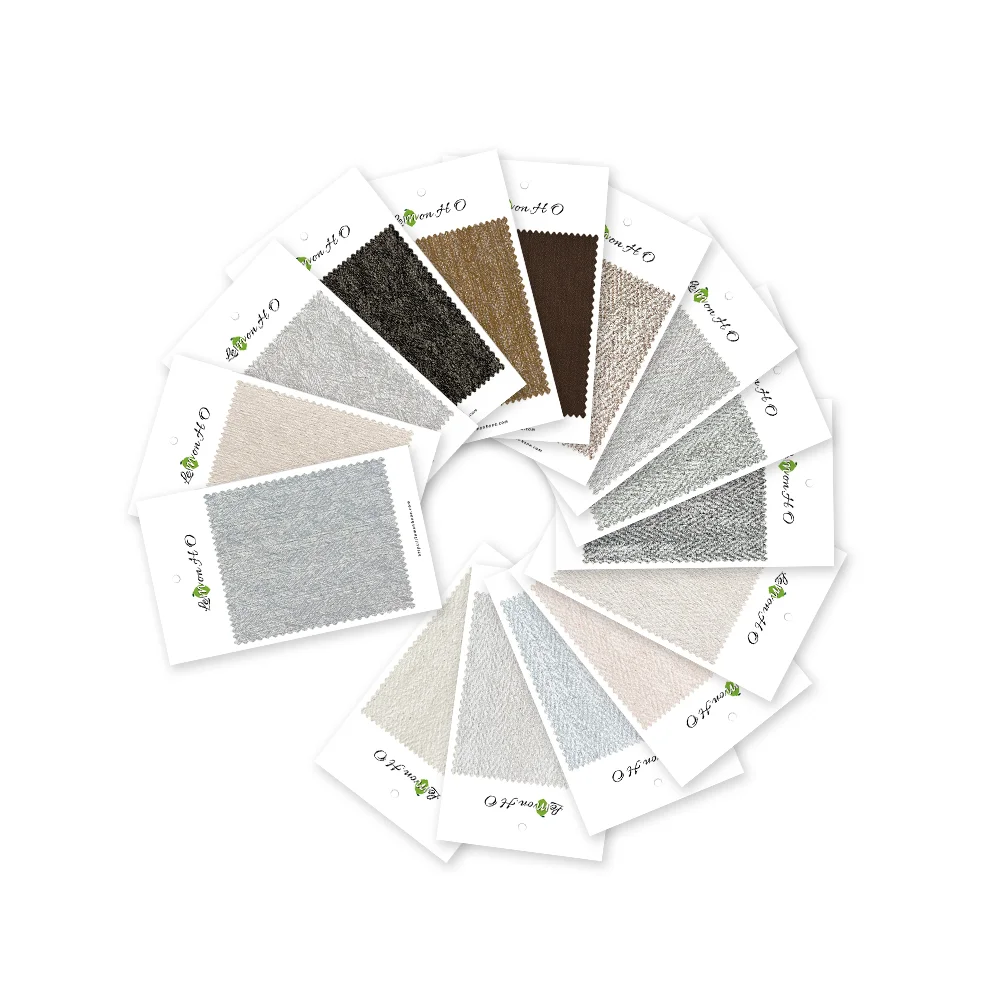
Once the design direction is clear, the next step is confirming fabrics, colors, finishing details, and installation methods. Different projects may require different levels of drape, light filtering, layering, and practical function, so selecting the right custom options is an important part of designer–manufacturer collaboration.
3. Coordinating Measurements and Production Details
As the project moves into execution, both sides usually need to further confirm measurements, window structure, installation methods, and finished product details. For custom curtains, this information directly affects production accuracy and the final presentation result.
4. Supporting Production and Order Execution
Once the order is confirmed, the manufacturer is responsible not only for production, but also for supporting scheduling, workmanship execution, order coordination, and delivery preparation. For designers, a reliable custom curtain manufacturer that can work steadily with the project process often offers more long-term value than a supplier who simply provides products.
5. Why Designer–Manufacturer Collaboration Matters
A clear collaboration process helps reduce communication gaps, improve customization accuracy, and support smoother project execution. For designers and project buyers looking for long-term cooperation, this kind of manufacturing support is often an important part of evaluating real partnership value.
If you are exploring trade and designer partnerships, looking for a reliable custom curtain manufacturer, or comparing the sourcing advantages of factory direct custom curtains, understanding how this collaboration works can help you make a more practical long-term decision.
If you would like to learn more about our manufacturing capabilities and factory-direct supply model, explore the pages below.