



Made-to-Measure Curtain Production Process
From Fabric Selection to Final Inspection
Custom curtains involve more than simple cutting and sewing. A complete made-to-measure curtain production process usually includes fabric selection, size confirmation, cutting, sewing, inspection, and packing. Each stage plays an important role in how the finished curtains look, fit, and perform in real living spaces.
Understanding how custom curtains are made helps buyers better evaluate a custom curtain manufacturer and the practical benefits of factory direct custom curtains. In this article, we will walk through the key stages of custom curtain production from fabric selection to final inspection before delivery.
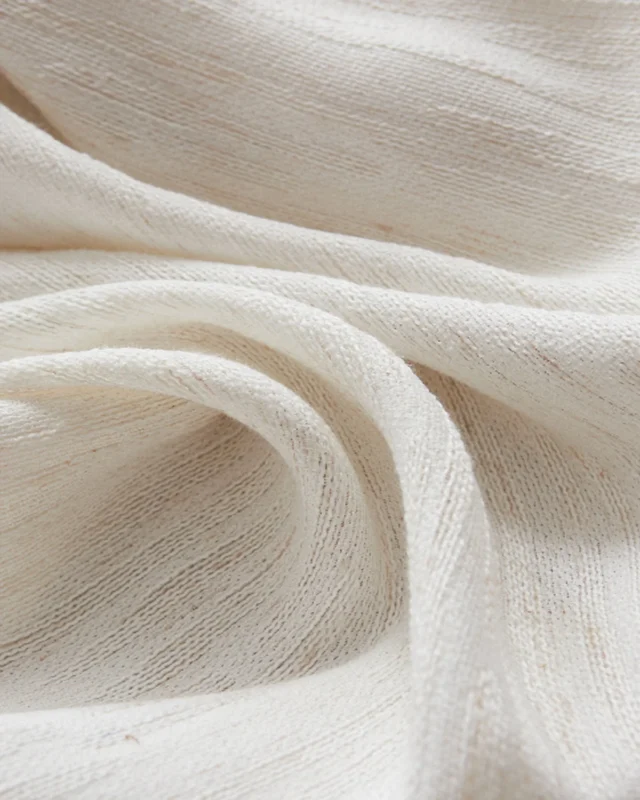
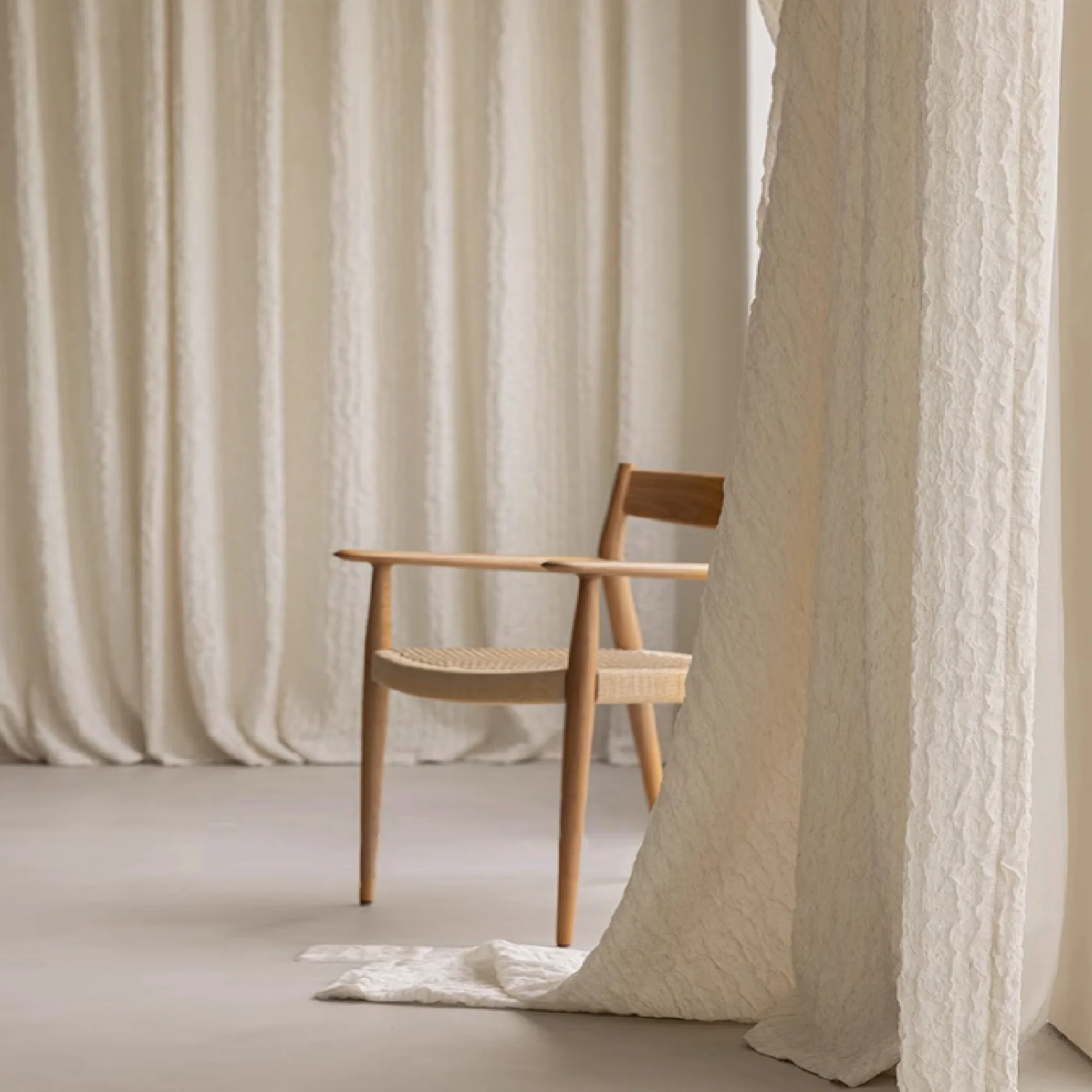
Featured image: S-Curve Sheer Curtain – Soft Texture Veil
Made-to-measure curtain production follows a step-by-step workflow designed to support better accuracy, cleaner workmanship, and a more reliable finished result. Below is a simple overview of how custom curtains are typically prepared before delivery.
1. Fabric Selection
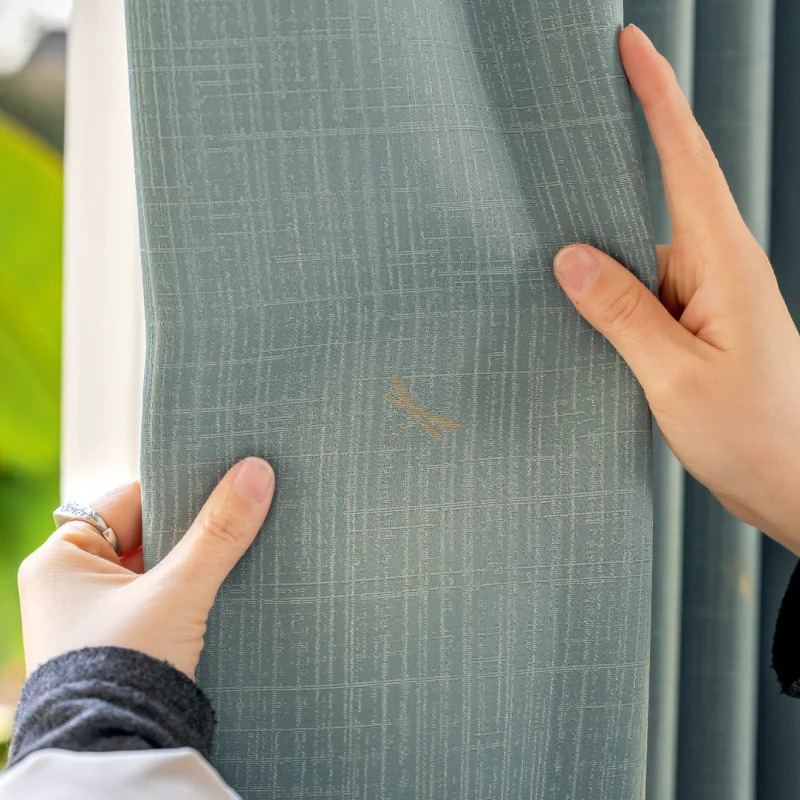
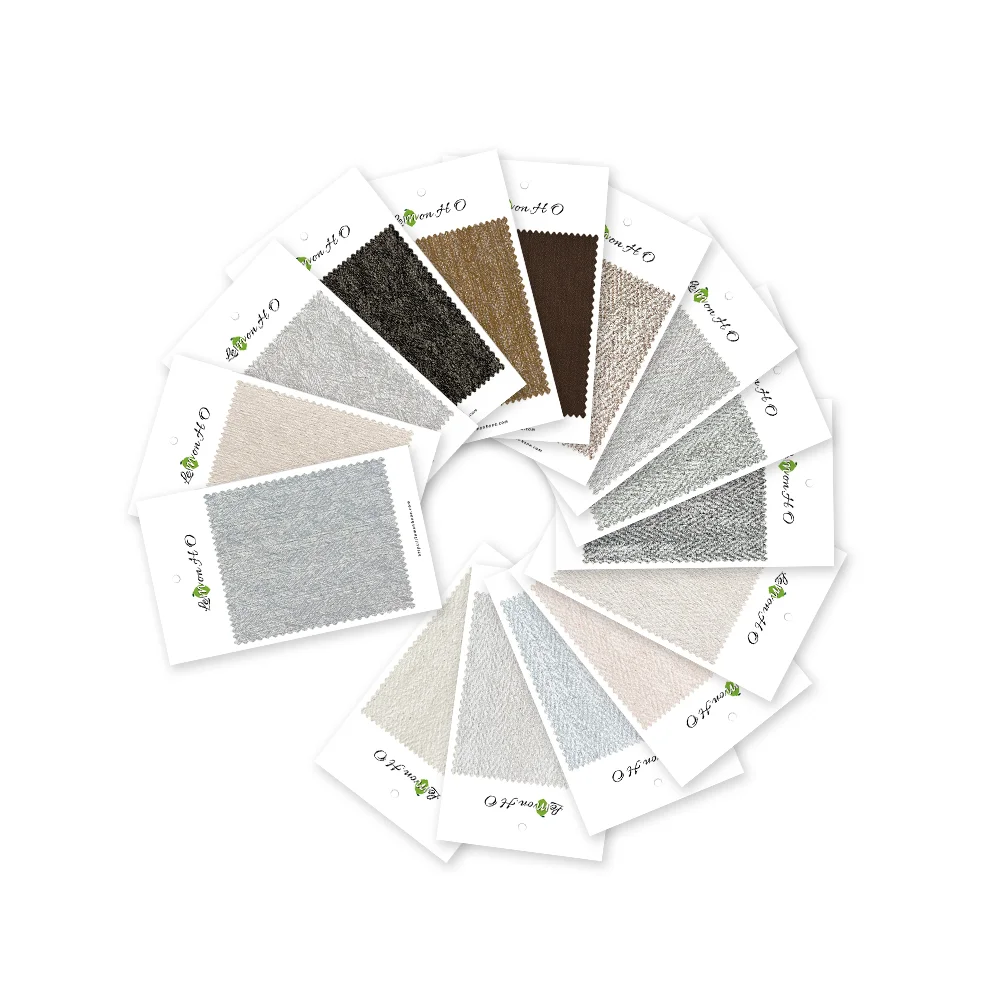
The first step is fabric selection. Different spaces, design styles, and practical needs require different textures, drape effects, light-filtering qualities, and colors. Confirming the fabric first helps ensure the finished curtains better match both design expectations and everyday use.
2. Size Confirmation
Once the fabric is confirmed, the next step is size confirmation. Accurate width and height measurements are important because they directly affect the fit, pleat appearance, and overall drape of custom curtains.
3. Fabric Cutting
After the fabric and measurements are confirmed, the material is cut according to the approved size and production requirements. Careful cutting helps support better symmetry, cleaner alignment, and a more refined finished look.
4. Sewing
After cutting, the curtains move into the sewing stage. This part of the process includes stitching, joining, and forming the basic curtain structure. Stable sewing workmanship has a direct impact on the neatness and finish of the final product.
5. Quality Inspection
Once sewing is completed, the curtains go through quality inspection. This step focuses on checking size, workmanship, stitching, appearance, and overall completion before dispatch.
For buyers comparing suppliers, a structured inspection process is often one of the clearest signs of a reliable custom curtain manufacturer.
6. Packing
After inspection, the final step is packing. The finished curtains are arranged and packed according to product type and shipping requirements to prepare them for delivery.
Why the Production Process Matters
A clear production process helps improve accuracy, support more consistent workmanship, and prepare custom curtains more reliably for delivery. It also gives buyers a more practical way to evaluate supplier quality.
If you are comparing partners, it helps to look beyond product photos and focus on whether the supplier has the workflow, experience, and quality control standards of a reliable custom curtain manufacturer. You can also explore the practical sourcing advantages of factory direct custom curtains when evaluating long-term supply options.
If you would like to learn more about our manufacturing capabilities and factory-direct supply model, explore the pages below.