


Curtain Fullness Guide: How Full Should Custom Curtains Be?
When choosing custom curtains, many customers look for a simple curtain fullness guide to understand how much fullness is needed for the best look.
In simple terms, curtain fullness means the total fabric width compared with the width of the track or curtain rod. A good curtain fullness guide helps explain how fullness affects the drape, fold appearance, and overall visual effect of the curtain.
Curtain Fullness Guide: What Is Curtain Fullness?
If the track width is 2 metres and the total curtain fabric width is 4 metres, that means the curtain has 2x fullness.
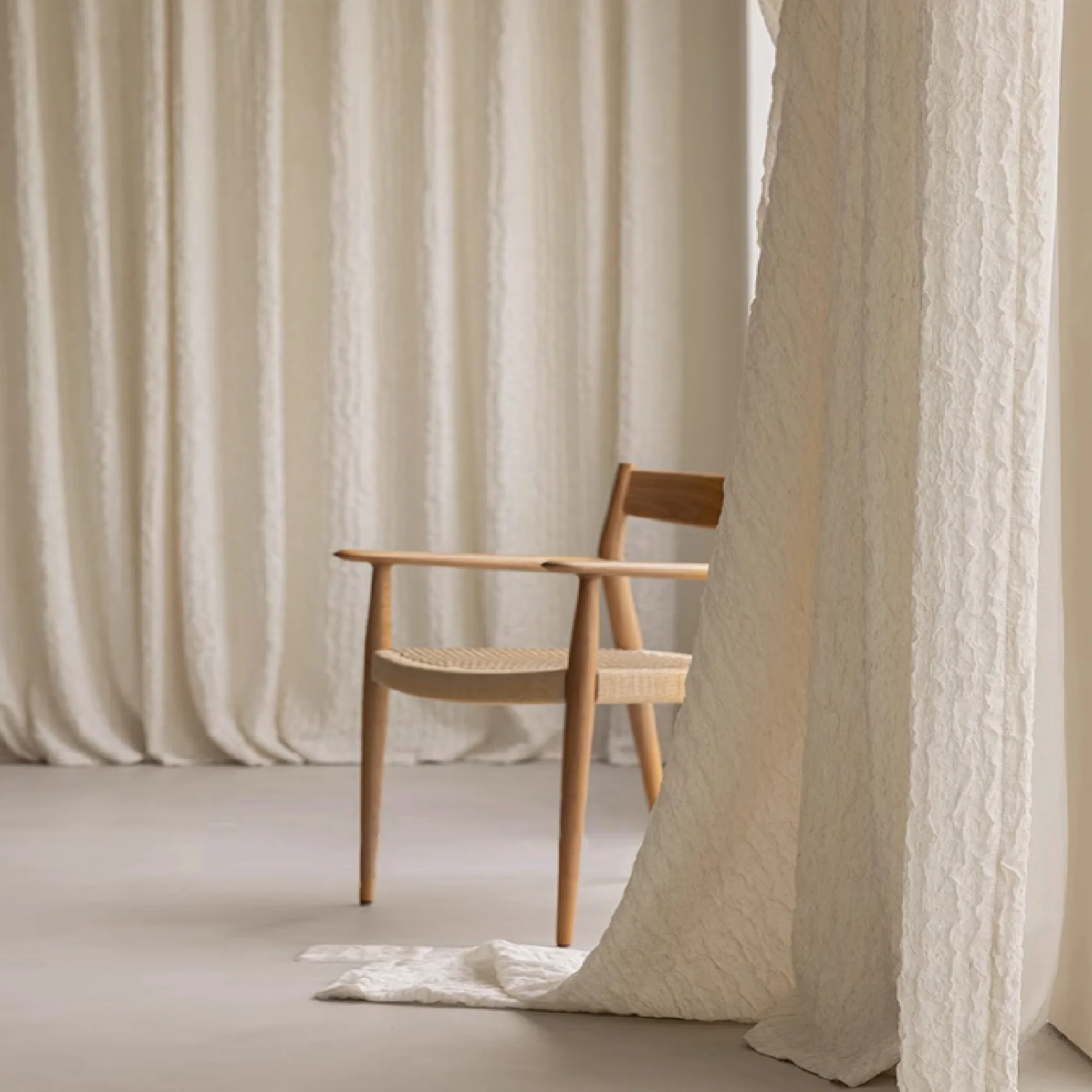
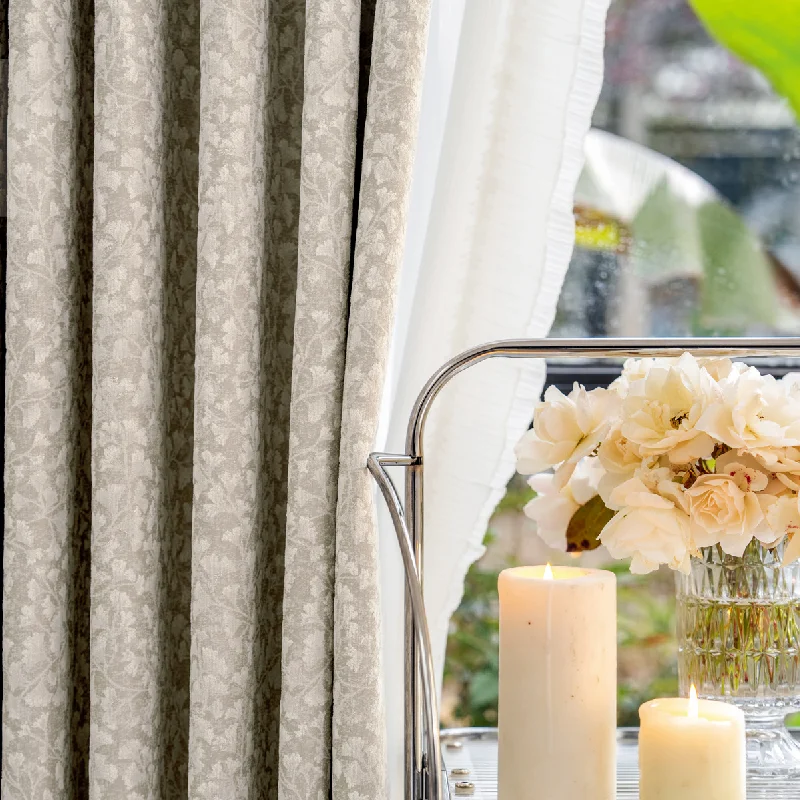
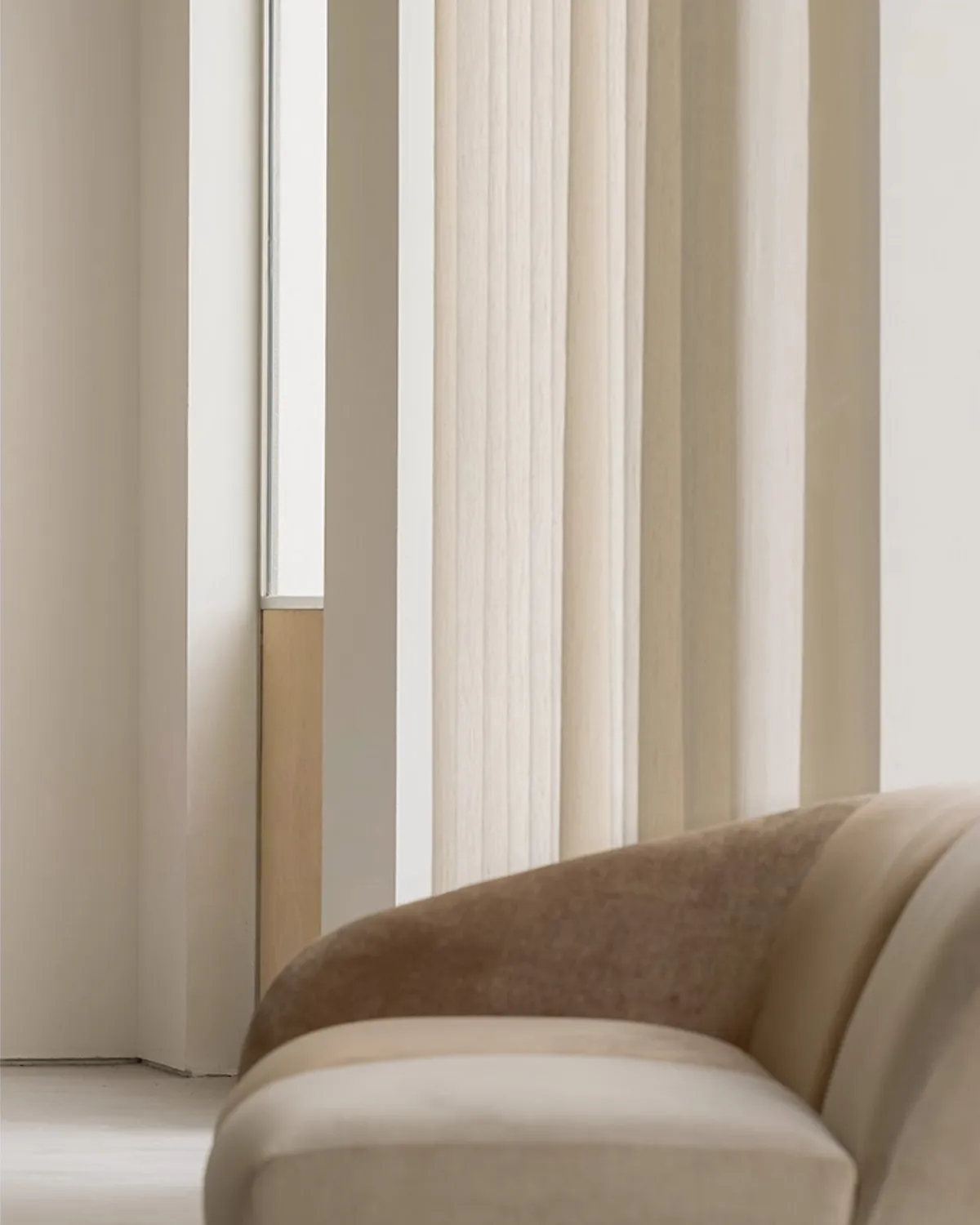
The higher the fullness, the richer and more noticeable the folds will look. Lower fullness creates a flatter and simpler appearance.
Curtain Fullness Guide: Common Fullness Levels
In most cases:
- around 1.5x fullness: fewer folds and a cleaner look
- around 2x fullness: a natural and balanced finish for most homes
- 2.2x fullness or more: fuller folds, softer drape, and a more refined look
For most custom curtains, 2x to 2.2x fullness is a common and balanced choice. In any practical curtain fullness guide, this range is often considered a reliable starting point for achieving a fuller but still natural look.
Curtain Fullness Guide for Different Heading Styles
Different curtain heading styles create different fullness effects.
- S-Fold / Wave Fold: needs a suitable fullness ratio to create smooth and even waves
- Pinch Pleat: has a more structured and layered look at the top
- Eyelet / Grommet: creates regular folds with a more direct visual rhythm
So, curtain fullness is not only about the number. In any useful curtain fullness guide, fullness should also match the heading style to create the right overall look.
Curtain Fullness Guide for Sheers and Blackout Curtains
Sheer curtains and heavier blackout fabrics do not look the same, even with the same fullness.
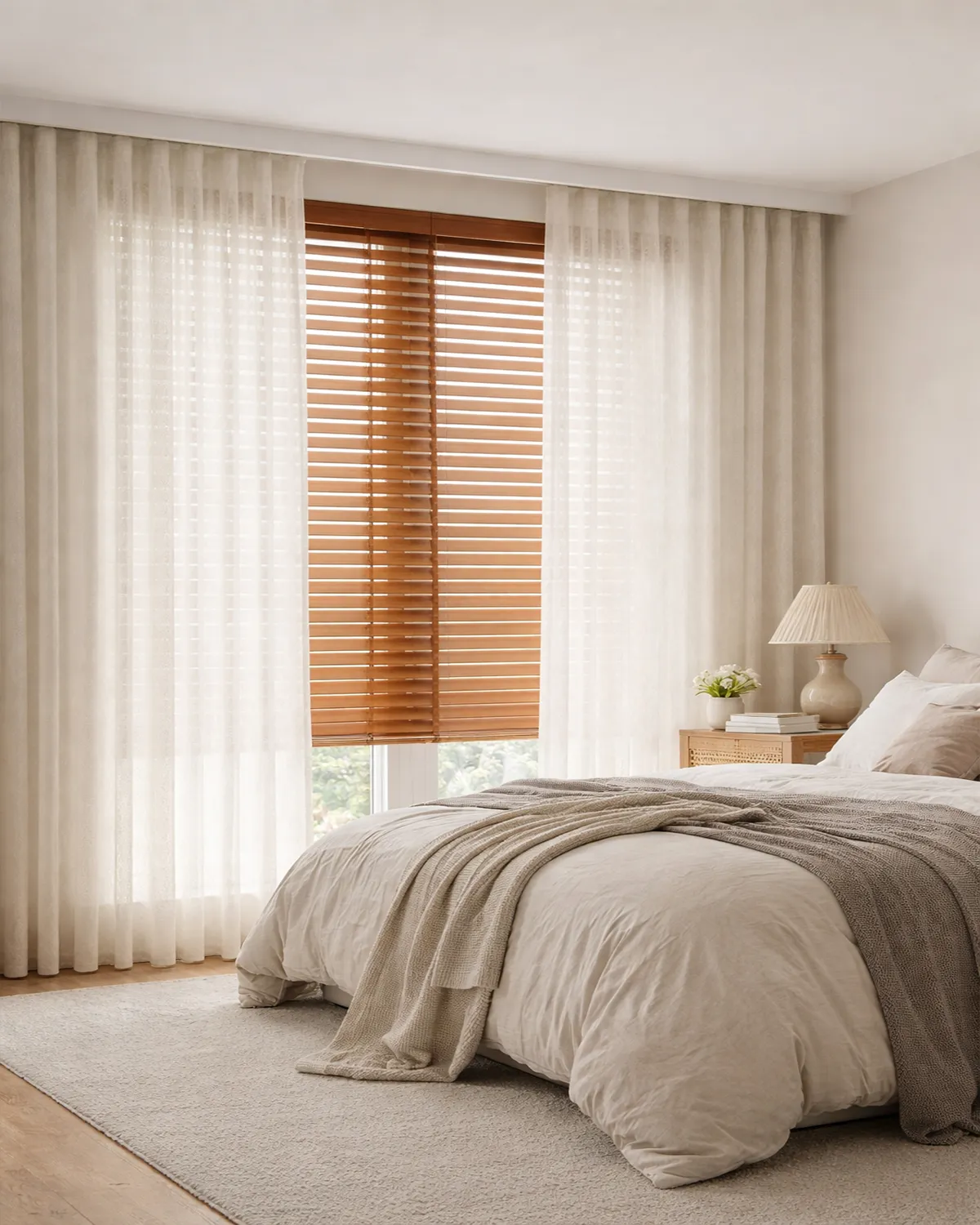
Sheers often create a softer and lighter effect, while heavier fabrics usually look fuller and more substantial.
For this reason, a practical curtain fullness guide should consider not only the fullness ratio, but also the fabric weight and the final look you want to achieve.
How to Choose the Right Fullness with a Curtain Fullness Guide
If you prefer a clean, simple, and modern look, a more natural fullness may be enough.
If you want a softer, fuller, and more decorative curtain effect, a higher fullness is often better.
For most homes, the best choice is not simply “more fullness,” but the right balance between window size, fabric type, and curtain style. A good curtain fullness guide should help you choose a fullness level that suits both the room and the fabric.
A Simple Tip from This Curtain Fullness Guide
There is no single fullness ratio that suits every curtain. The best result comes from matching the fabric, heading style, and window size properly.
To explore more made-to-measure curtain styles, visit our Custom Curtains Australia page.
To discover more made-to-measure curtain styles and factory-direct options, visit the Lemonho homepage.