


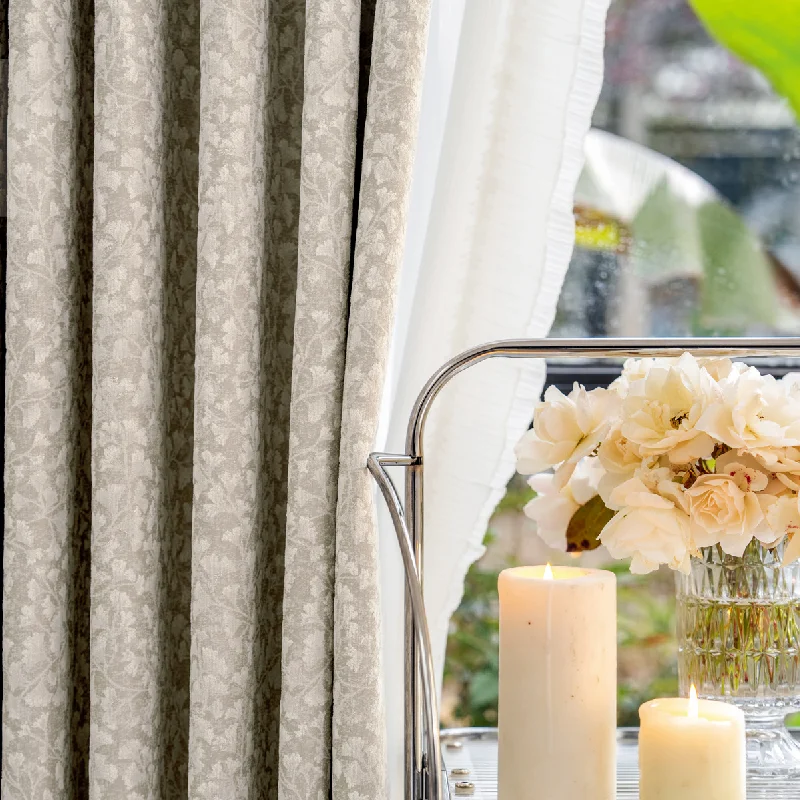
Curtain Fullness, Fabric Width and Workroom Methods
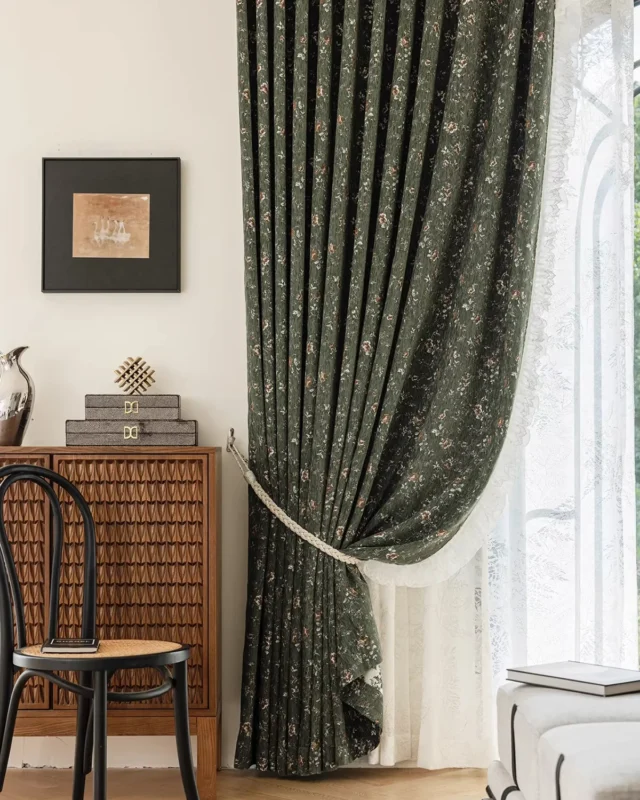
Featured image:Green Floral Jacquard Curtain – Forest Bloom
The final look of custom curtains depends on more than fabric color or pattern alone. In many cases, curtain fullness, fabric width, and workroom methods play a major role in how the finished curtains drape, fold, and hang in real spaces. Understanding these details can help buyers better see why the same fabric may produce different results depending on how it is made.
For buyers comparing a custom curtain manufacturer, exploring factory direct custom curtains, or reviewing custom curtains in Australia, these details also provide a more practical way to evaluate workmanship and production knowledge.
1. What Curtain Fullness Means
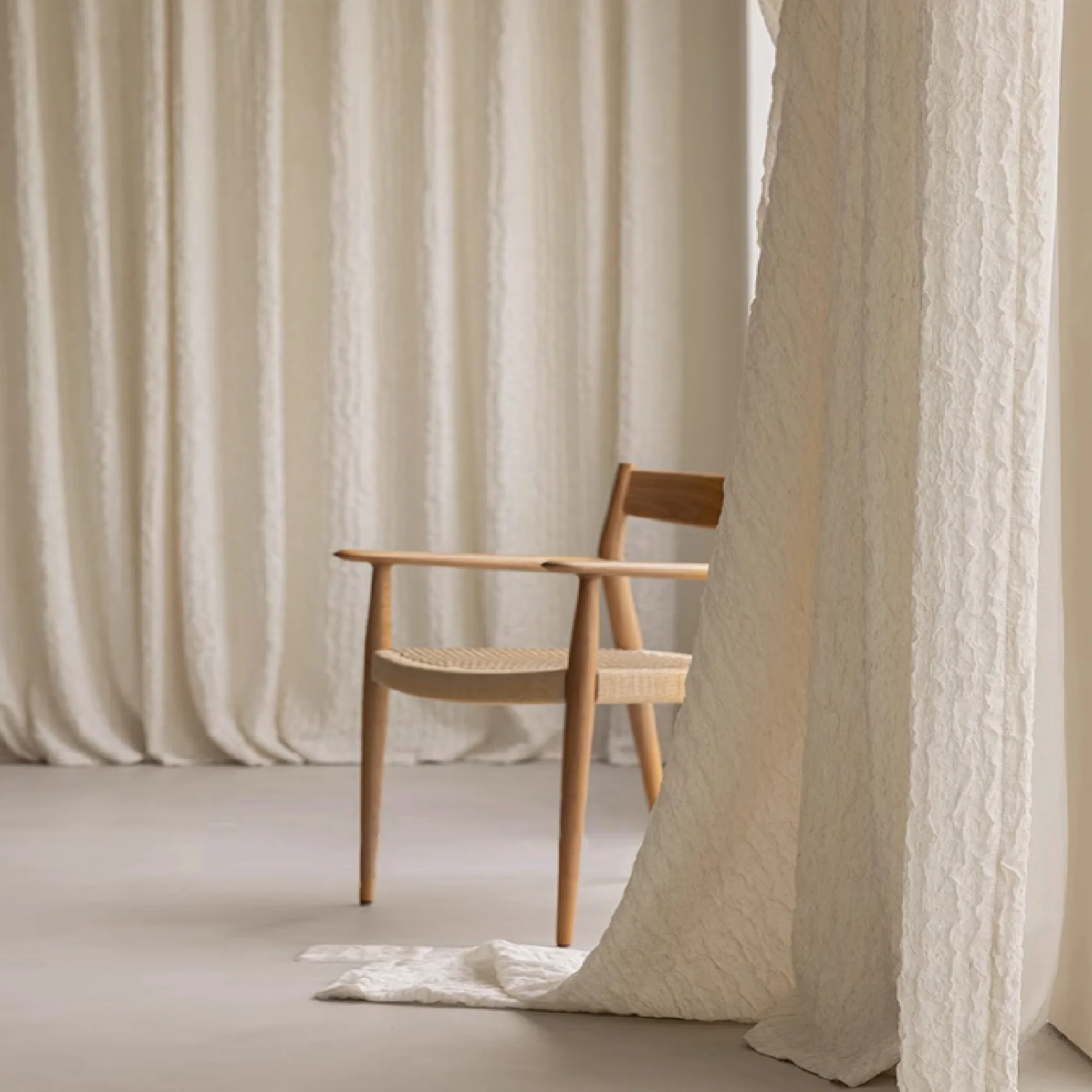
Curtain fullness refers to the amount of fabric used compared with the finished track or window width. More fabric usually creates fuller folds and a richer appearance, while less fabric creates a flatter and more minimal look. Fullness is therefore an important factor in how soft, layered, or structured the finished curtains will appear.
2. How Fabric Width Affects Curtain Making
Fabric width can directly affect panel construction, seam placement, and the overall visual result. Narrower fabric widths may require more joins when making larger curtains, while wider fabric widths may allow for different production methods. For large windows or floor-length curtains, fabric width often becomes an important part of how the finished curtains look and hang.
3. Standard Width vs Railroaded Fabric
Standard width fabric is usually used in its original woven direction, while railroaded fabric is turned so the width runs horizontally across the curtain. Neither method is automatically better. The right choice depends on the fabric texture, pattern direction, finished size, and the desired visual result. In some cases, railroading can reduce seams, but it also depends on whether the fabric is suitable for that method.
4. Why Workroom Methods Matter
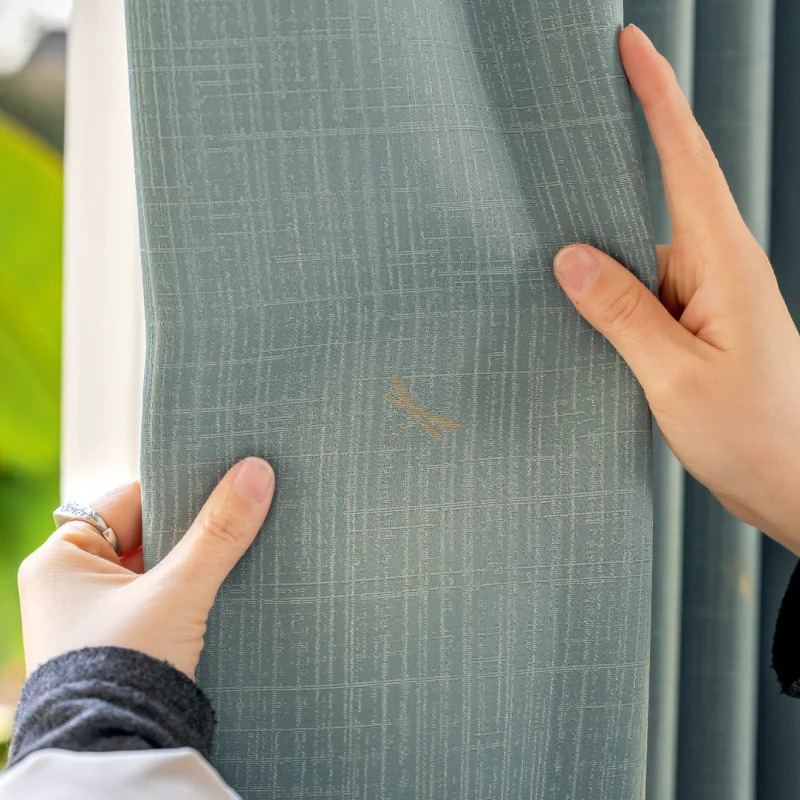
Workroom methods affect curtain neatness, fold formation, seam control, edge finishing, and the overall finished presentation. Even with the same fabric and measurements, different workroom handling can lead to noticeably different results. This is why custom curtain making is not simply about cutting and sewing, but also about how the curtain is prepared and finished.
5. How These Choices Affect the Final Look
Fullness, fabric width, and workroom methods work together to shape the final appearance of custom curtains. They influence drape, fold density, seam visibility, proportion, and the overall balance of the finished product. In other words, the final look is often the result of several production decisions working together rather than one factor alone.
Why These Details Matter When Comparing Suppliers
Many buyers first focus on color, price, or blackout level, but details like fullness, fabric width, and workroom handling often reveal a supplier’s real level of curtain-making knowledge. A more experienced supplier is usually able to make better recommendations based on fabric type, finished style, and installation method instead of offering the same solution for every order.
If you are exploring a custom curtain manufacturer, comparing factory direct custom curtains, or reviewing custom curtains in Australia, understanding these production details can help you make a more informed decision.
Explore More
If you would like to explore more professional custom curtain options or compare how different curtain-making methods affect the final result, you can continue with the pages below.
If you would like to explore more professional custom curtain options or compare how different curtain-making methods affect the final result, you can continue with the pages below.