




What Affects the Price of Custom Curtains?

One of the most common questions homeowners ask is what affects the price of custom curtains. At first glance, two curtain styles may look similar, but the final total can still be quite different. This is because custom curtain pricing is not based on colour or appearance alone. It usually depends on the full combination of width, height, fullness, fabric, and heading style. In other words, the price of custom curtains reflects how the curtain is actually made for the room, not just a simple flat product cost.
Width and height are usually the first major pricing factors. A wider curtain needs more fabric, and a taller curtain also increases material usage. But the calculation does not stop there. Fullness also matters because curtains are not usually made only to the exact visible width of the window. If a curtain is based on standard 2× fullness, the finished width and the actual fabric usage are not the same. This is one reason the price of custom curtains can feel higher than customers first expect. A fuller curtain usually creates softer pleats, a better drape, and a more finished look, but it also requires more material to achieve that effect.
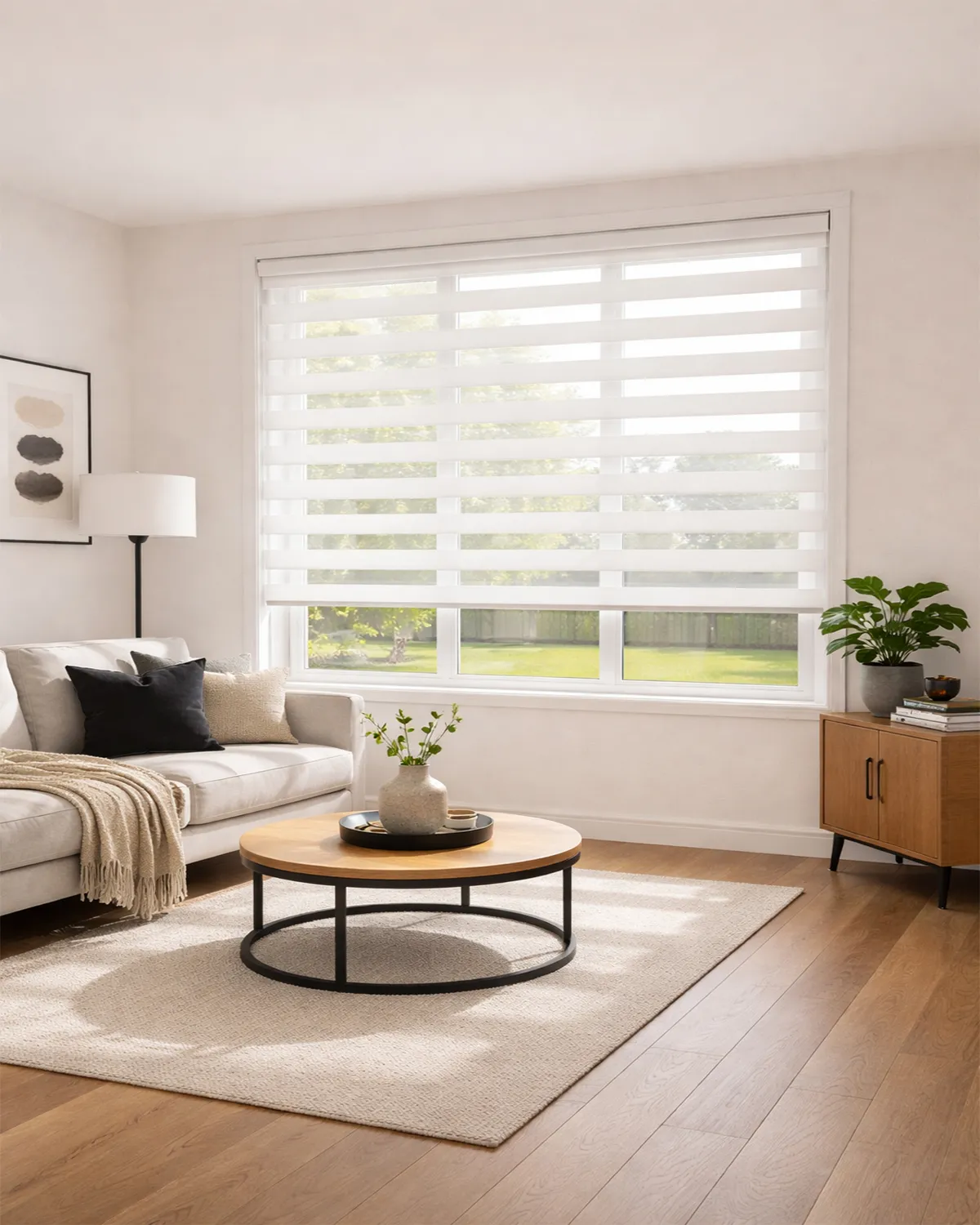
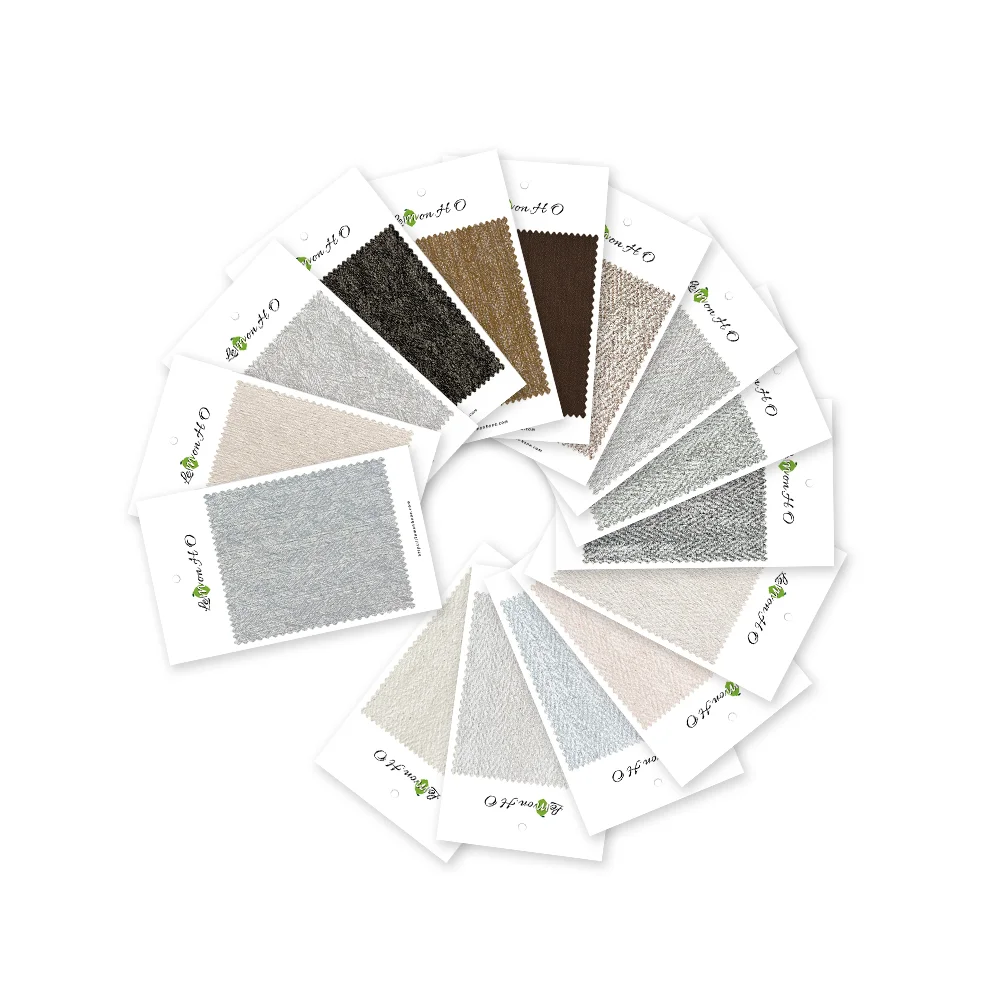
Fabric choice can also change the total price significantly. Different fabrics vary in texture, weight, weave, and performance. A light-filtering curtain fabric may be priced differently from a heavier blackout fabric, and a soft textured material may cost differently from a simpler plain weave. Heading style is another important factor because it affects both the construction and the overall look of the curtain. Some heading styles are more straightforward, while others may require a different fullness level or more detailed finishing. This means the same window size can still produce different totals depending on the selected style and fabric combination. If you want to explore more custom curtains, visit Lemonhone.
Another point that often causes confusion is the per-meter price. Many customers see a per-meter figure and assume that it represents the final price of a complete curtain set. In most custom curtain systems, that is not the case. The per-meter price is usually only one reference point within the pricing structure. The real total depends on how much fabric is required for the finished width, what curtain height is selected, which heading style is used, and what kind of final look the customer wants. That is why per-meter pricing should not be understood as the same thing as the final made curtain price.
In the end, custom curtain pricing makes more sense when all choices are considered together. Width, height, fullness, fabric, and heading style all influence both the manufacturing process and the final appearance of the curtains. A curtain that fits properly, hangs well, and suits the room naturally will often feel more worthwhile than a cheaper option that does not achieve the right result. If you want to explore more options for custom curtains, visit Lemonhone to browse styles designed for modern homes, bedrooms, and everyday living spaces.